If you’re buying a home in Katy, flood risk should be one of the things you investigate before choosing a neighborhood or making an offer. I’ve been a Texas Realtor since 2009 and have helped buyers throughout Katy and Fulshear for more than 17 years. I’ve also lived on the Texas Gulf Coast for more than 40 years, so I’ve personally experienced hurricanes, tropical storms, flash floods, and major flooding events.
When I’m helping you buy a home in Katy, I don’t rely on a single flood map or online flood-risk score. I look at the home’s FEMA flood zone, available flood history, Seller’s Disclosure, MLS information, the surrounding neighborhood, and what I know from years of helping buyers in the Katy area.
Understanding Katy Flood Zones
When you look at the Katy flood map below, you’ll see three prominent colors:
- Orange = Zone X – Areas outside the Special Flood Hazard Area
- Yellow = 500-year floodplain – Areas with approximately a 0.2% annual chance of flooding
- Purple = 100-year floodplain – Areas with a 1% annual chance of flooding
The purple arrow marks the intersection of I-10 and Grand Parkway/99. As you can see, large portions of Katy are in the orange Zone X, but there are also significant areas within the 100-year floodplain.
This is one reason I recommend looking at flood risk before you fall in love with a particular home. Some Katy communities are what I call “spotty,” meaning homes within the same neighborhood can fall into different FEMA flood zones. In some cases, you really do need to evaluate flood risk on a home-by-home basis.
When I set up a Premium Custom Home Search for my clients, I use my local knowledge
to FILTER OUT the high-risk flood areas…if that’s what you want.

When I use the word “flooding” on this page, I’m generally referring to flood or surface water entering the interior of a home. Temporary street flooding is different. Streets are an important part of the designed drainage system in many Houston-area communities and may temporarily hold water during heavy rainfall.
What Does a 100-Year Floodplain Actually Mean?
The term “100-year floodplain” can be misleading. It does not mean an area should flood only once every 100 years. It means there is a 1% chance of that level of flooding occurring in any given year. A 500-year floodplain has a 0.2% annual chance.
Those percentages may sound small, but they shouldn’t be interpreted as a guarantee of what will happen to an individual home.
That’s one of the most important things I explain to my buyers: flood zone, flood history, and future flood risk are not the same thing.
A home can be located outside a FEMA high-risk flood zone and still flood under certain conditions. Likewise, a home that has never flooded before is not guaranteed to remain flood-free in the future.

Source: https://www.proplogix.com/blog/how-elevation-certificates-help-determine-your-property-flood-risk
What I’ve Learned From Living Through Houston-Area Floods
 I’m not a flood-control engineer, meteorologist, surveyor, or insurance expert. My perspective comes from more than 40 years of living on the Texas Gulf Coast and more than 17 years of helping people buy and sell homes in the Katy area.
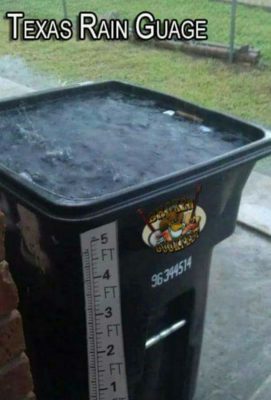
And one lesson has been reinforced again and again: past flood history doesn’t guarantee what will happen in the future.
After major Houston-area floods, you’ll often hear homeowners say, “We’ve lived here for 30 years and never flooded before.” After another major flooding event in 2019, some homeowners were saying, “We didn’t flood during Harvey, but we flooded this time.”
That’s why I don’t tell my buyers that a home “won’t flood” simply because it hasn’t flooded before.
A home’s flood history is useful information, but it’s only one part of evaluating its overall flood risk.
Can You Completely Avoid Flood Risk in Katy?
If you want to live anywhere along the Gulf Coast—or anywhere in the Houston region—you need to understand that hurricanes, tropical storms, heavy rainfall, and flash flooding are part of living here.
Every part of the country faces some type of natural hazard. The goal isn’t to find a place where natural disasters are impossible. The goal is to understand the risks, minimize them where you can, and prepare for the risks you can’t eliminate.
That’s the approach I take when helping you buy a home in Katy.
Even if the home you’re considering is located in Zone X, I still recommend that you investigate flood insurance. For many homeowners, the additional protection and peace of mind during hurricane season can be well worth the cost.
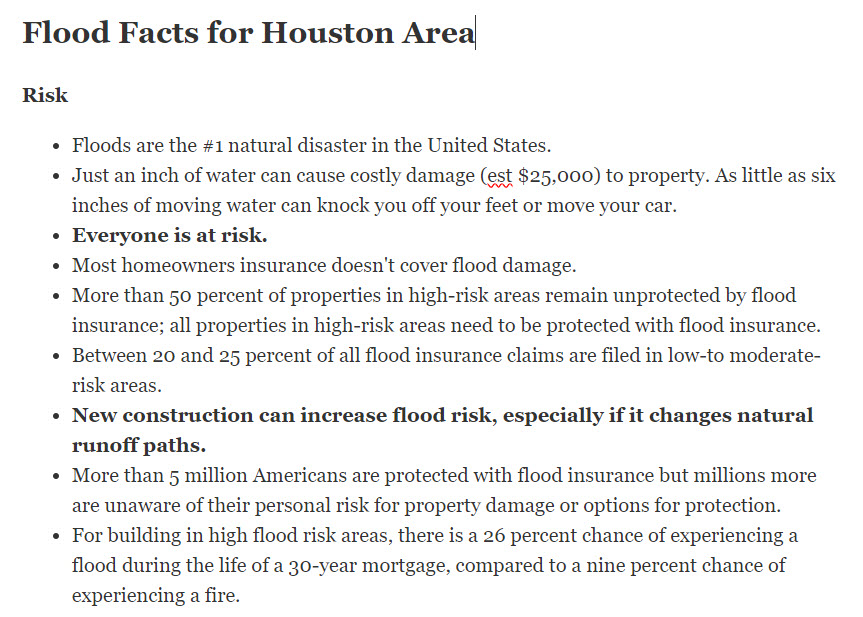
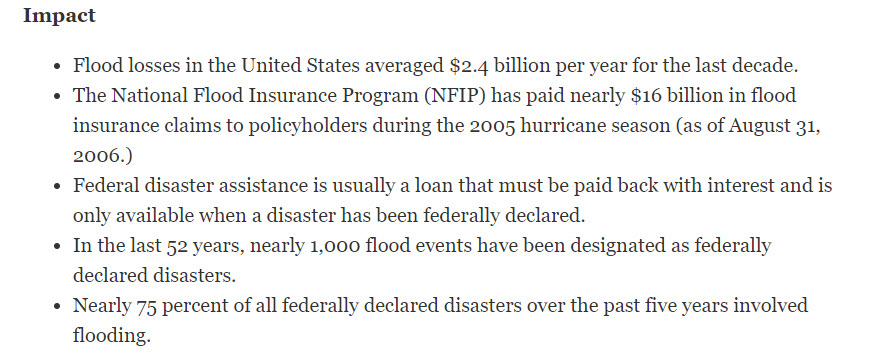
Source: https://www.eng.hctx.net/Consultants/Floodplain-Management/Floodplain-Information#FloodFacts
What Katy Areas Flooded During Hurricane Harvey?
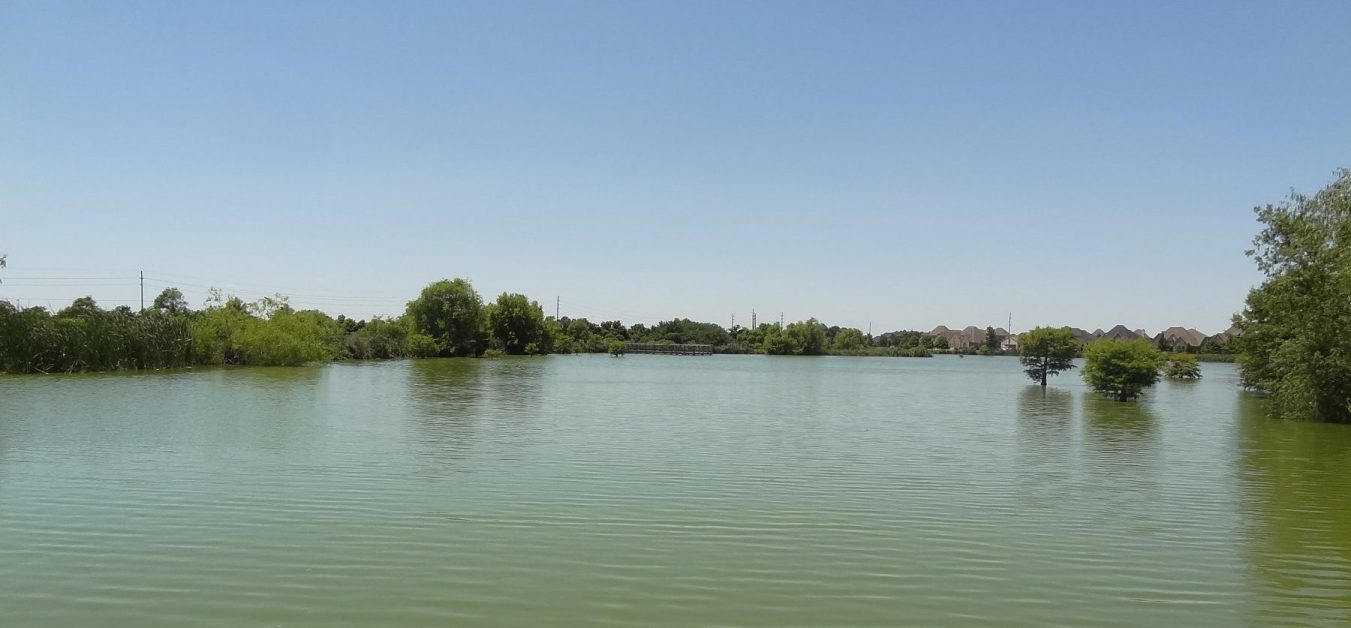
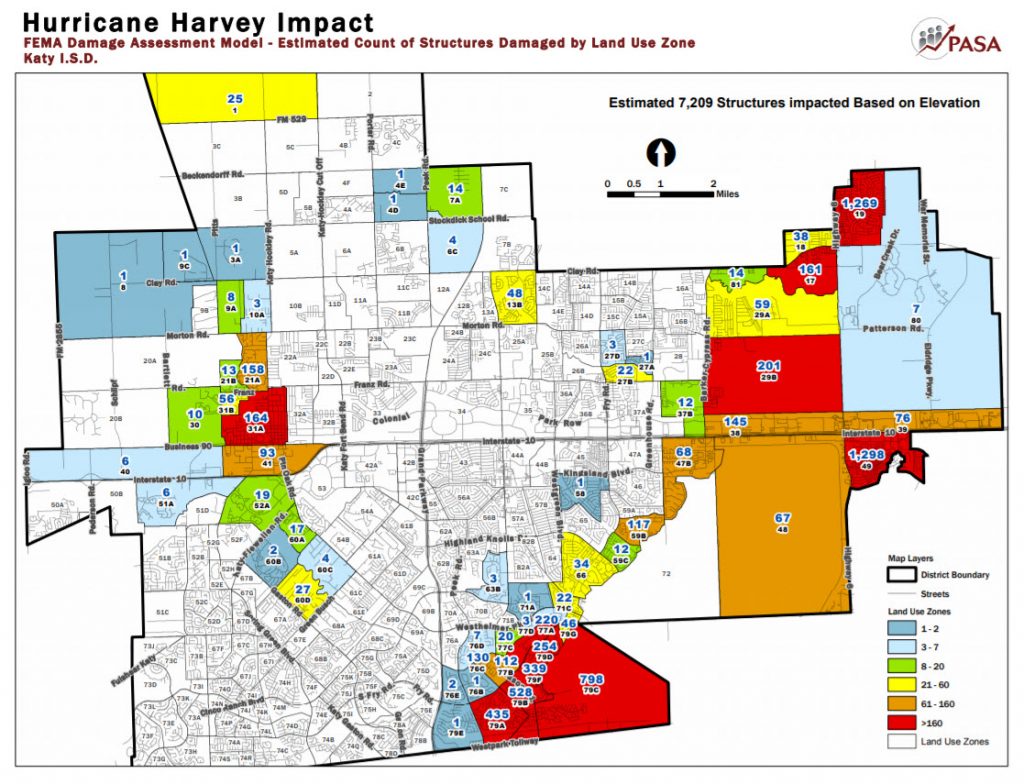
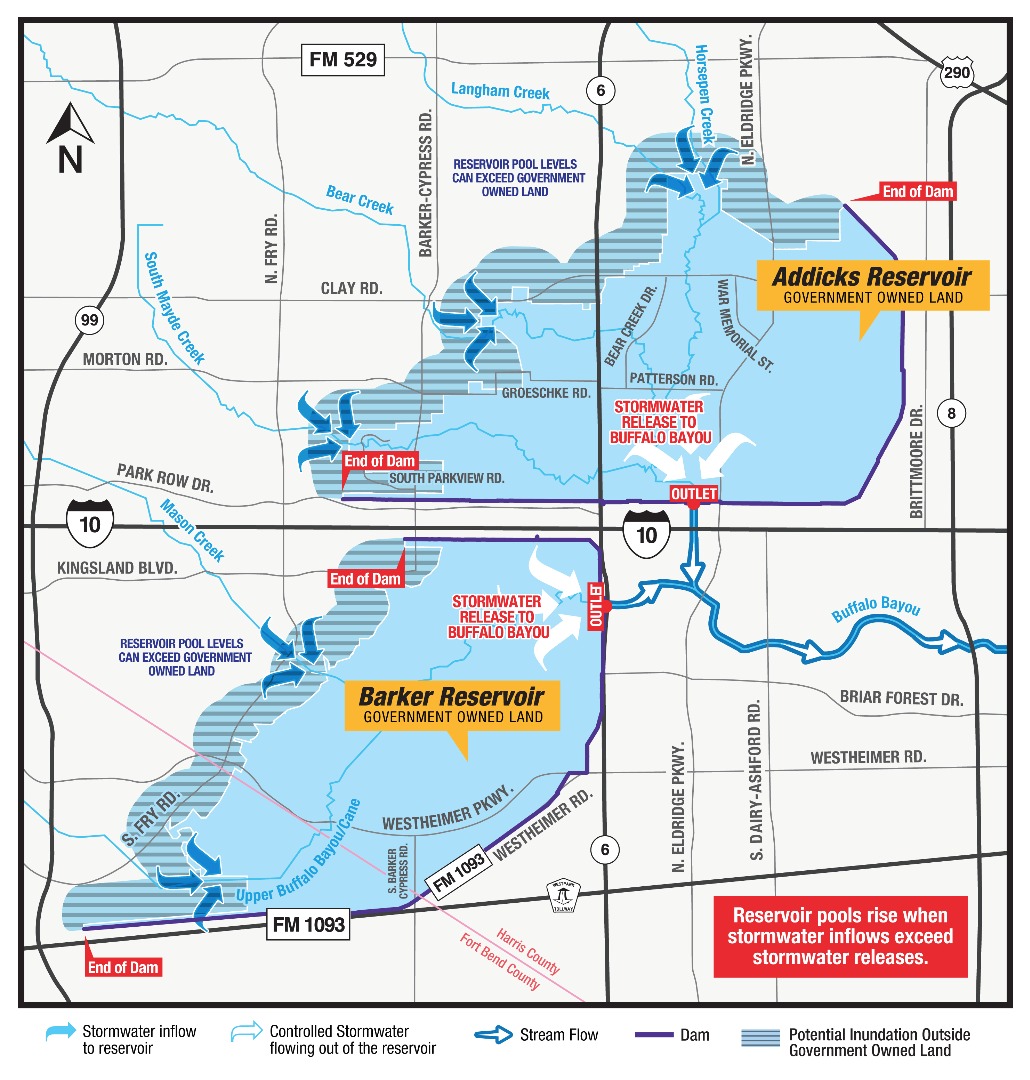
On 2017, during Hurricane Harvey, two unprecedented things occurred that caused a few homes in Katy to flood (less than 8 percent, and that’s including businesses and retail establishments). The areas around the Addicks and Barker Reservoirs had the most severe issues, but some flooding occurred around natural bayous, creeks, and other low-lying areas.
Hurricane Harvey dropped a record-breaking amount of rain in the Houston region…over 50 inches (“only” 31 inches in Katy). The amount of rain that fell cause the Addicks-Barker Reservoirs to overfill.
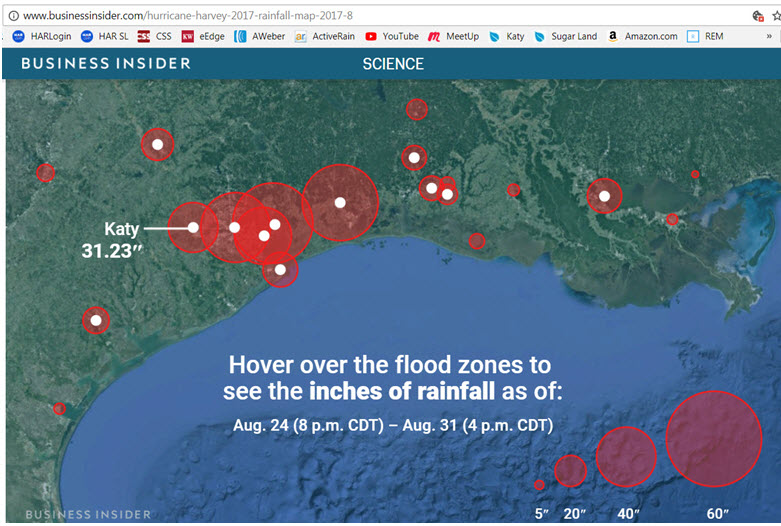
Source: http://www.businessinsider.com/hurricane-harvey-2017-rainfall-map-2017-8
While Katy flood zones are typically rated as Zone X, 100-year floodplain, or 500-year floodplain, Hurricane Harvey is being described as a an unprecedented, 1,000 year or even 3,000 year event (read more)! This means that homes that flooded during that once-in-a-life time weather event may never flood again.
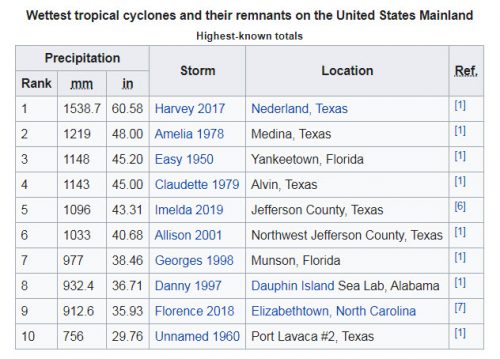
Source: https://en.wikipedia.org/wiki/List_of_wettest_tropical_cyclones_in_the_United_States
Source: https://www.hcfcd.org
First, don’t let everything you saw on TV during Hurricane Harvey give you the wrong impression about Katy. It was reported that less than 8 percent of Katy homes and businesses—approximately 7,209 properties—flooded during Harvey. In other words, most homes in Katy did not flood even during this historic hurricane.
The water got extremely high in some areas, and some roads were flooded for several days, particularly in areas east of Grand Parkway. But Hurricane Harvey was an unprecedented weather event. It does not mean that homes throughout Katy flood on a regular basis.
That being said, flood history is absolutely something you should investigate when buying a home here—and it’s something I pay close attention to when helping my buyers.
What If a Home Flooded During Harvey?
 I don’t automatically tell my buyers to rule out every home that flooded during Hurricane Harvey. But if you’re considering one, you need to make sure the home was repaired properly.
One of the biggest concerns buyers have is mold. Mold needs moisture to grow, so properly drying the home and eliminating the source of the moisture is extremely important. According to the EPA, controlling moisture is the key to controlling mold. (Read more about mold from the EPA)
If you have concerns about possible mold, don’t guess. Have the home evaluated by an appropriate mold or environmental professional. Depending on the situation, additional testing may also be recommended. I can help you with this! 🙂
Then you can make an informed decision. If there’s a serious problem, move on to another home. If there isn’t, you may have an opportunity to buy a beautifully updated home in an established Katy neighborhood where many of the surrounding homes tend to be older and may not have been renovated.
Texas Sellers Must Disclose Flood Information
Texas strengthened its Seller’s Disclosure requirements effective September 1, 2019. The disclosure now asks sellers for considerably more information about a property’s flood history and flood-related conditions, including whether the property is located in certain flood zones.
Section 5 of the Seller’s Disclosure looks like this:
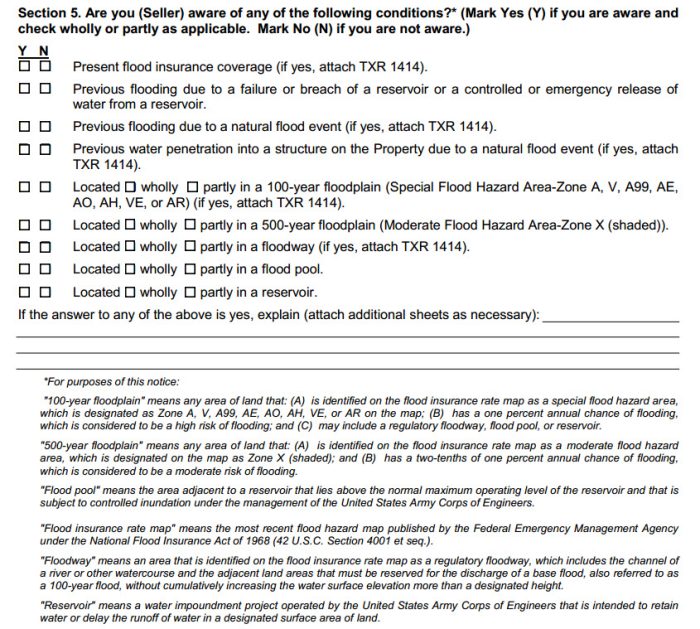
This is important information that you should receive and review when you’re buying a home in Texas. When I’m representing you as a buyer, the Seller’s Disclosure is one of the things I review with you when we’re evaluating a property.

But There’s an Important Catch…
Pay very close attention when the seller is an investor who has never lived in the home.
A seller who has never occupied a property may simply not know as much about its history as someone who lived there for years. That’s especially important when you’re considering an investor-owned or recently renovated home in an area with known flood history.
And if a seller or investor wants you to sign documents that waive important legal rights or limit the seller’s disclosure responsibilities, BUYER BEWARE.
That’s my code for: “We need to look very carefully at this before you buy it!”
This is one of the reasons having your own experienced buyer’s agent matters. When I help you buy a home in Katy, I’m not just helping you find a pretty house. I’m helping you look for the things that could turn that pretty house into an expensive mistake.
How to Avoid Buying a Home in a High-Risk Flood Zone
 If you want to avoid buying a home in a higher-risk flood area (and you should!), one of the best things you can do is work with a local real estate agent who knows what to watch for and will watch out for you. That’s one of the things I do for my buyers.
Over the years, I’ve had to inform multiple clients that homes or new construction neighborhoods they were considering were located in a 100-year floodplain. Don’t assume the builder’s sales representative is going to point this out to you. Remember, the builder’s sales rep works for the builder—not for you. When I’m your buyer’s agent, I work for you and look out for your best interests.
Here’s a real-life example of why that matters.
The year before Hurricane Harvey, I had a client who wanted to look at homes in a specific neighborhood near the Brazos River. I knew the area and had serious concerns about it, even though the neighborhood hadn’t flooded at that point. I explained my concerns to my client, and she decided not to buy there (after a lot of insistence on my part 😎 ).
Then Hurricane Harvey hit.
Many homes in that neighborhood flooded, and it was a mess. My client was extremely grateful that I had warned her before she bought there. That’s the kind of local knowledge you want working for you when you’re buying a home in Katy.
How I Help My Buyers Watch for Flood Risk
Unfortunately, the MLS doesn’t give me a simple search field where I can eliminate every home that has previously flooded or every home located in a particular flood zone. I wish it did!
But because I’ve been helping buyers in the Katy area since 2009, I know many of the areas where I want my buyers to be especially cautious. When I set up a Premium Custom Home Search for you, I can filter out many of the areas I know have higher flood risk or a history that concerns me.
It’s not a perfect system, and no one can guarantee that a home will never flood. But it gives you another layer of protection that you won’t get from simply searching for homes online.
Then, when you find a specific home you’re interested in, I double-check the flood map and review the Seller’s Disclosure, and property history for flood-related information before we move forward.
It’s really good to have someone looking out for your best interests!
And one more warning: I do NOT recommend relying solely on a “Flood Factor” rating when you’re evaluating a Katy home. I’ve seen enough questionable ratings in this area that I always want to look at additional information before advising one of my buyers about a property.
I’ll show you exactly why in the next section.
DOWNLOAD the FREE REPORT
|
|
|
RedFin Users Beware!
There’s a new information source on flooding that I am very concerned about because it seems INACCURATE according to our actual real-world flood history and the FEMA flood maps. Here’s an example.
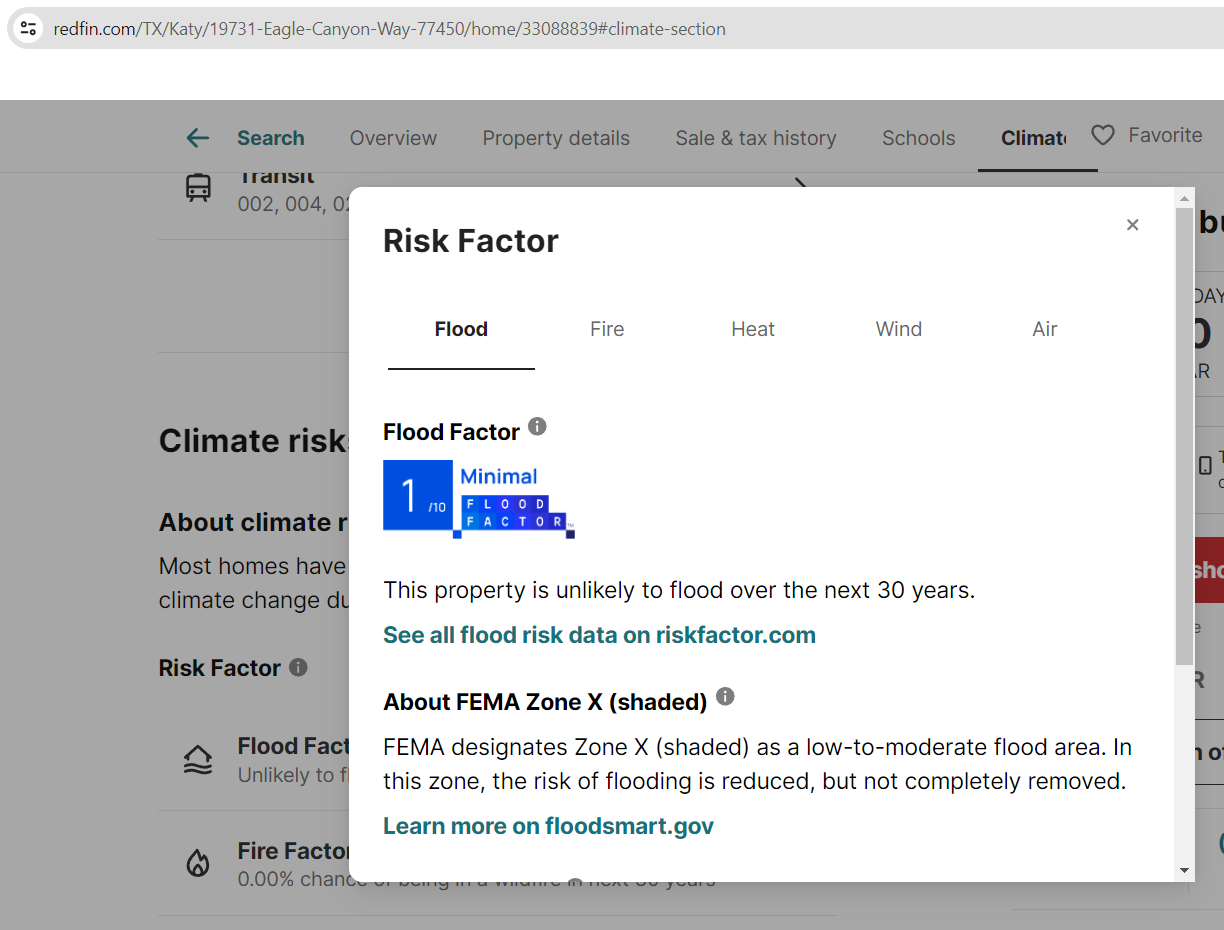
On RedFin, for 19731 Eagle Canyon Way, they show a Flood Risk Factor of 1 Minimal in FEMA Zone X, see below.
You have GOT to be kidding me!
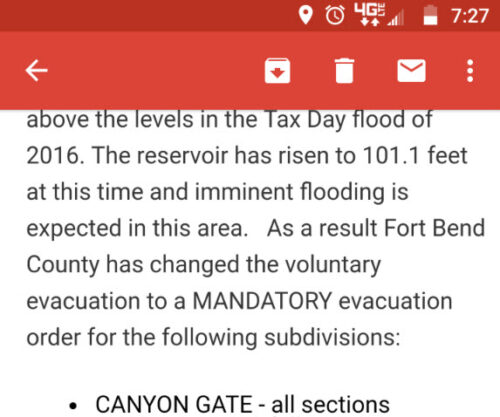
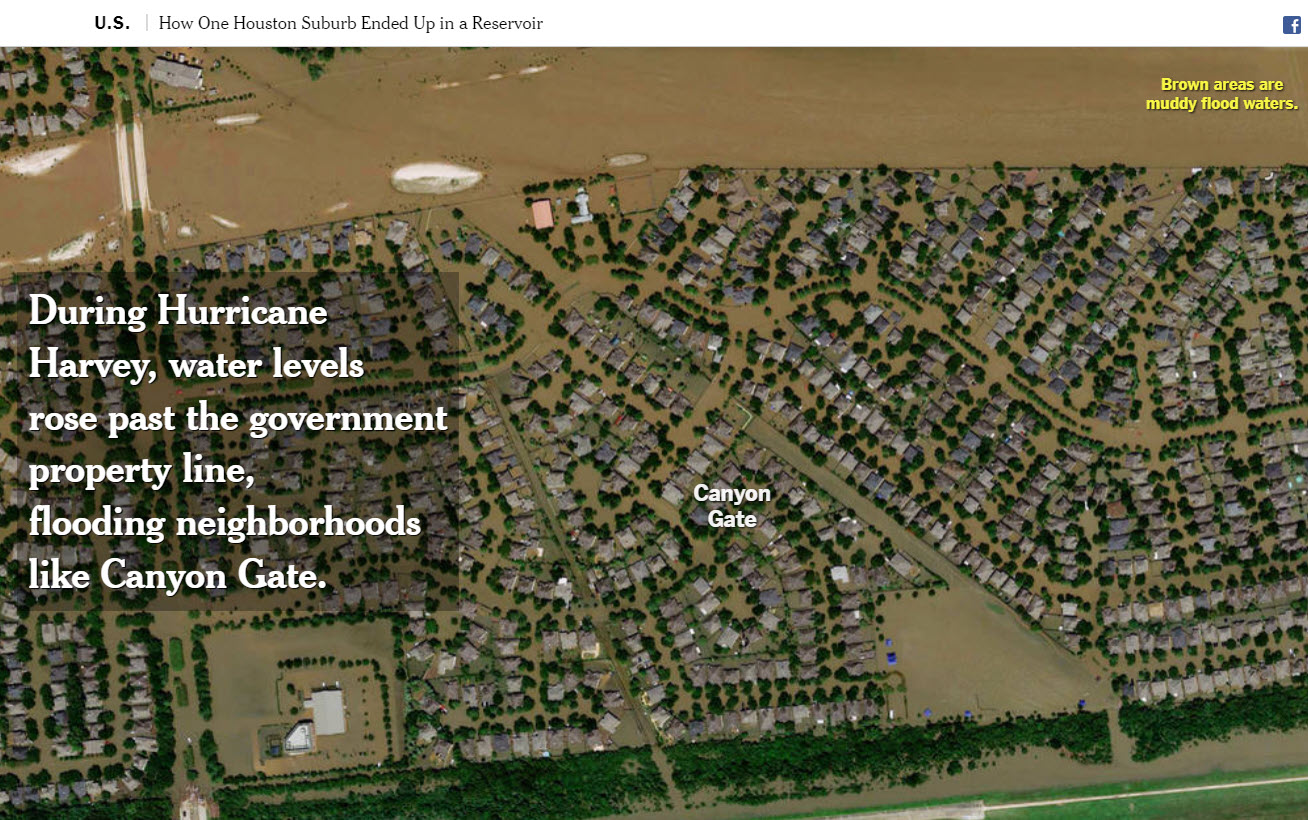
That home (see map location) is located in the Canyon Gate neighborhood of Katy 77450 which is one of the few Katy neighborhoods that was ordered to evacuate during Hurricane Harvey and actually suffered WIDE-SPREAD flooding (see cool map). If ANY neighborhood in Katy should be considered a “risky” flood area it’s Canyon Gate.
Here’s a screenshot from my phone showing the Mandatory evacuation notice from Fort Bend County…
As show in the image below, Canyon Gate had approximately 798 homes flooded during Hurricane Harvey…practically the entire neighborhood.
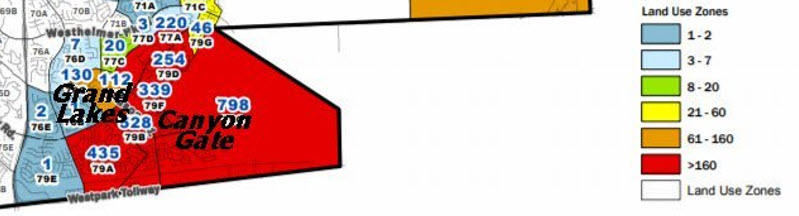
Also see actual flood photo of Canyon Gate, below…
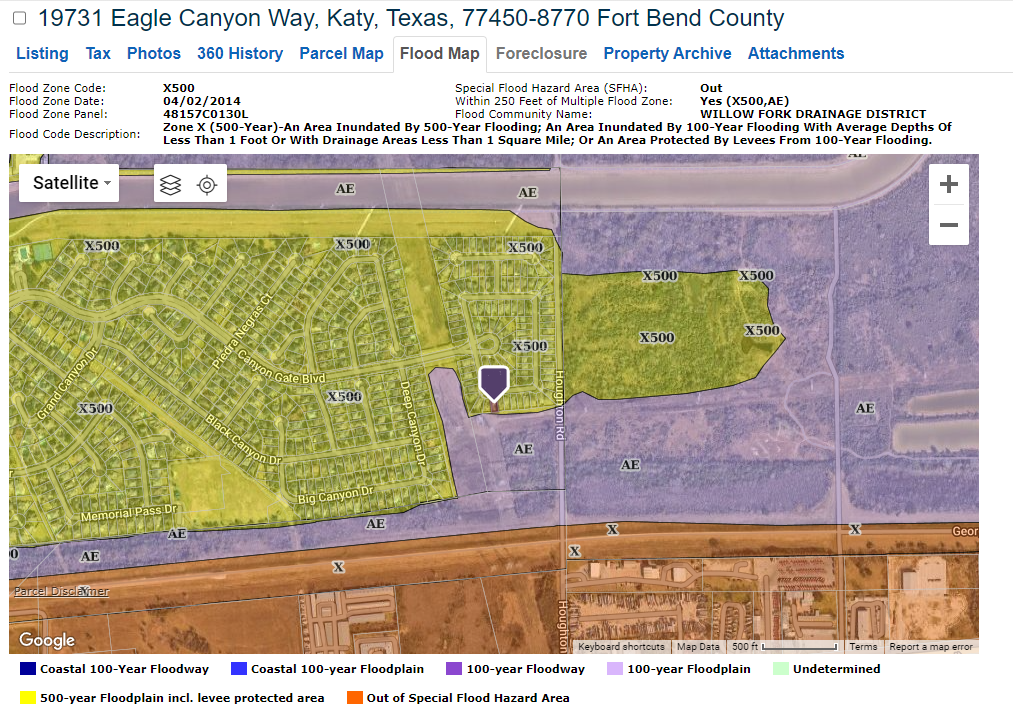
When I view that home (19731 Eagle Canyon Way) on my MLS database, I see that it is actually in FEMA Zone X500, which is a 500-yr floodplain, and it’s on the very edge of a 100-yr floodplain (see image below). In my opinion, this home should be considered at least a moderate flood risk.
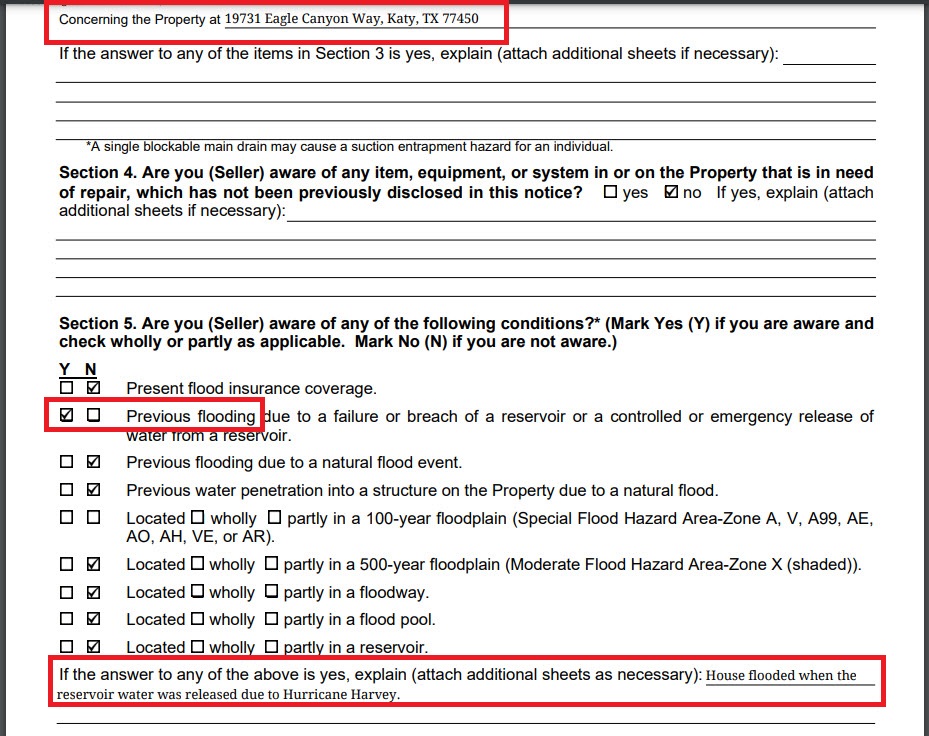
Especially since the home owner’s are reporting that it has already flooded! (see Seller’s Disclosure below)
This is why you need a local area expert and not some AI-generated website helping you with your home purchase.
Now let’s contrast that to an area that has NO HISTORY OF FLOODING to my knowledge. I actually evacuated to this area during Hurricane Harvey, and I personally drove the streets (which were NOT flooded).
NOTE: During Harvey a lot of neighborhoods had street flooding, but no flooding into the homes. In the Houston area, streets are designed as part of our drainage system…that’s where our storm drains are located. So during major rain events, the streets may flood for a few hours (so you can’t drive them) but the homes do not flood.
Here’s RedFin’s Flood Factor rating for 5123 Cinco Forest Trail…it says 6 Major Flood Factor.
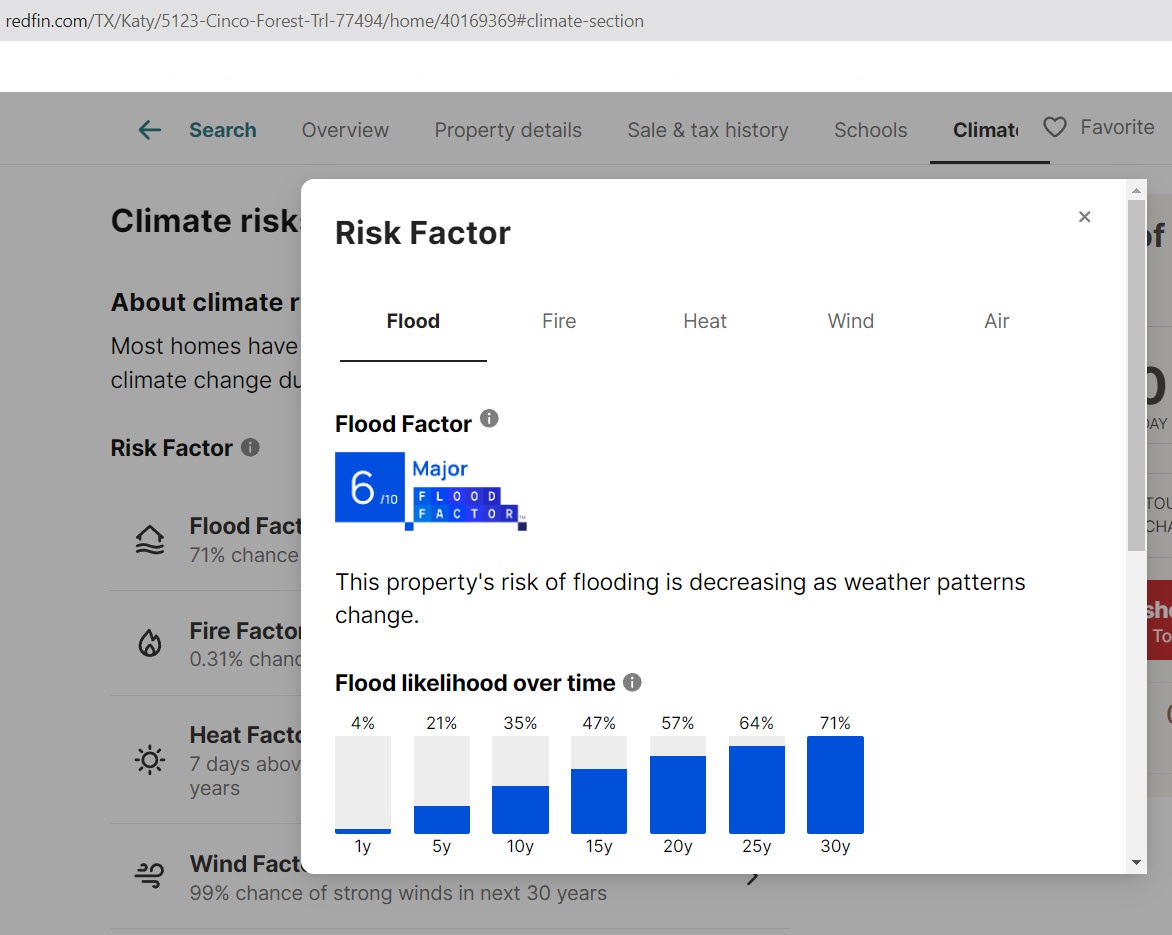
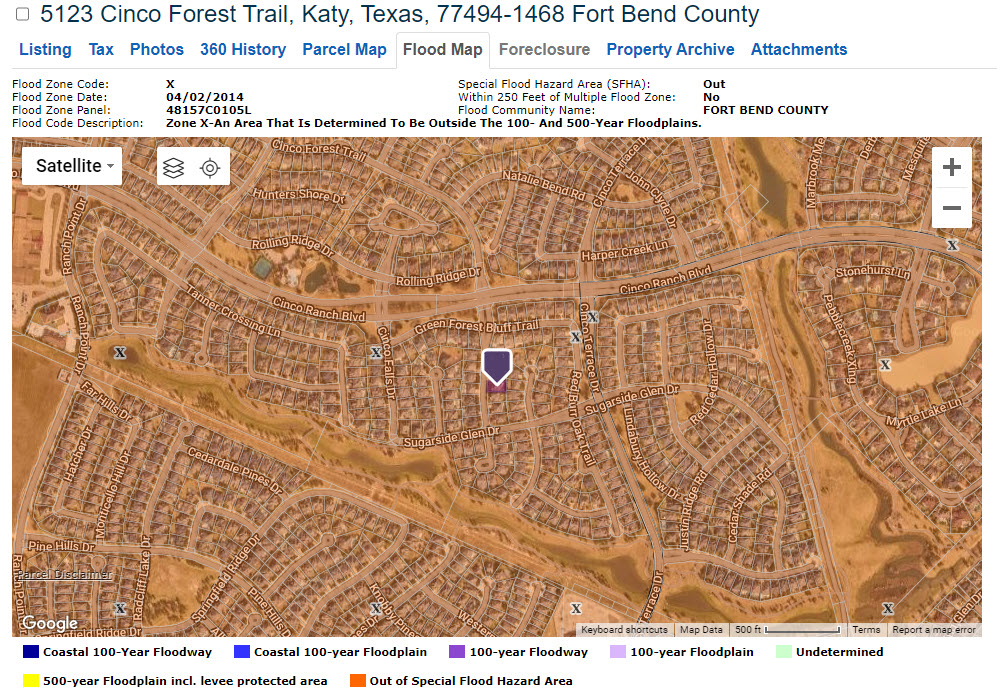
Ok, anything is possible in the future, but my MLS database shows this home is in a Zone X (see image below) which is “Out of Special Flood Hazard Area.” And like I said, I drove this area (not this specific home) during Hurricane Harvey, so I am an eye-witness to what happened in this area when it received approximately 30-inches of rain!
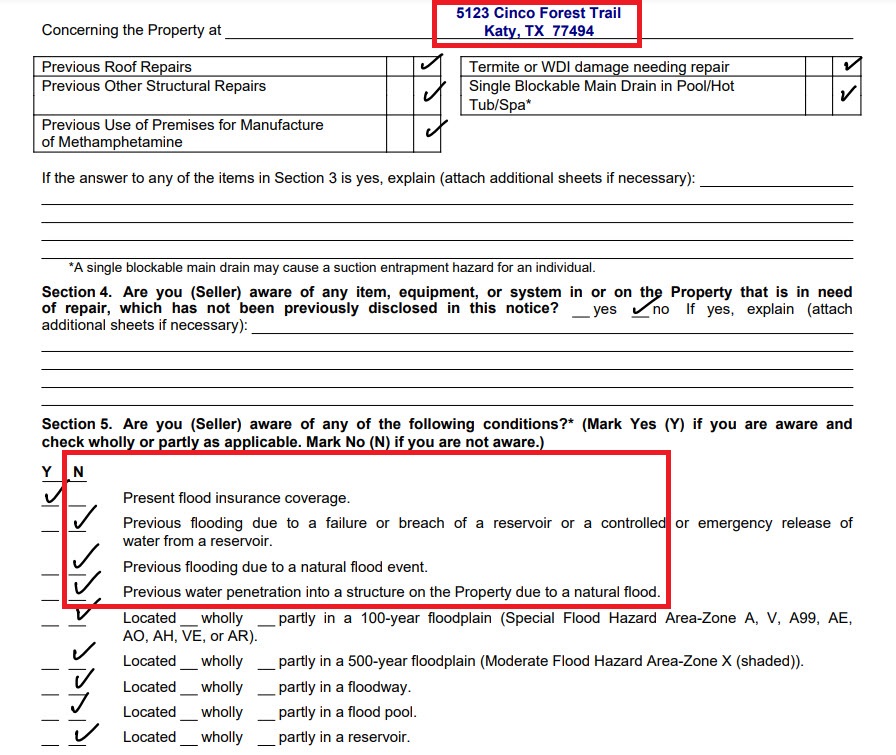
And the home owners report NO HISTORY OF FLOODING, see below.
Map Summary of This Example
The map below shows what areas in Katy actually flooded during Hurricane Harvey in 2017. The Cinco Forest Trail house on the lower-left side (no flooding) is reported as “High Risk” on RedFin, and the Eagle Canyon Way house on the lower-right side (flooded) is reported as “Low Risk” on Redfin.
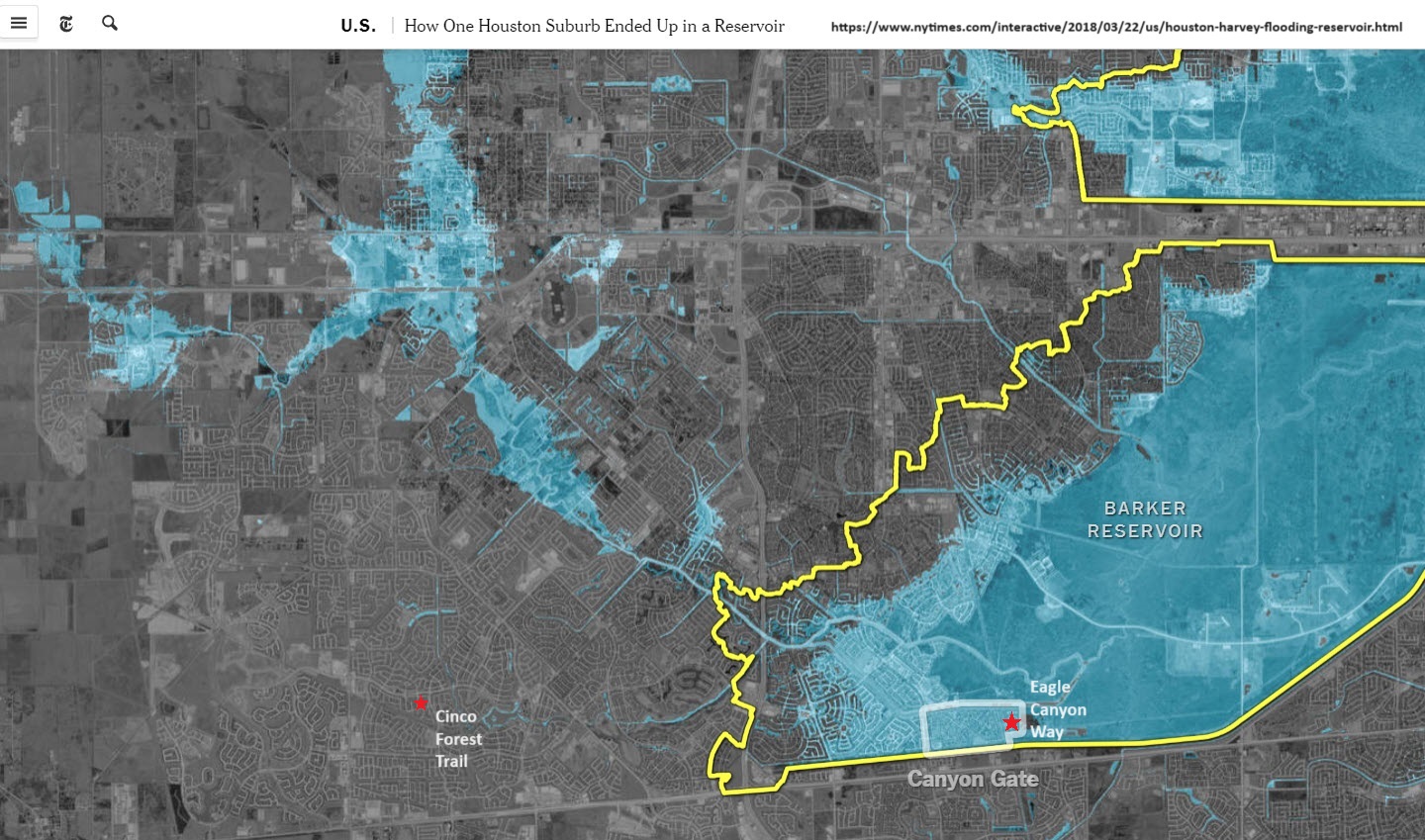
So which house would you rather buy?
The one that RedFin reports as Low Risk or the one they report as Major Risk?!
In summary, I don’t think that RedFin’s flood risk assessment is something that home buyers should rely on…at least not in my area. That’s my opinion and it’s based on real-world observations.
Flood Insurance Important for ALL Gulf Coast Areas
 As a resident of the Gulf Coast, you should know that hundreds of homes in the Houston area that are not in high-risk flood zones and had never flooded before during any other flood or hurricane event, did flood during Harvey. So that means…you never know for sure and you had better carry Flood Insurance on your home at all times! In my opinion, a flood insurance policy is worth the peace of mind you have from knowing you won’t be financially devastated if a storm sits on top of your neighborhood and drops 50 inches of rain! I don’t know of any areas in the country that can handle that much water…do you?
One of my biggest pet-peeves is hearing people in the Houston region say, “I don’t need flood insurance because my home has never flooded before.” Duh. Neither did approximately 85 percent of the homes that flooded during Hurricane Harvey! One thing I can guarantee you about flooding on the Gulf Coast…there are NO guarantees.
I live in a low-risk flood zone X area and I have flood insurance!
Read also:
- Fort Bend County LID Map
- As Harvey Raged, Meteorologists Grasped for Words to Describe It
- NASA video shows Harvey’s 1,000-year flood event over Texas
Links and Resources
- Brazos River Information
- Emergency Notification System Sign Up
- Read advice about flooding
- Learn more about flood zone definitions
- Read Q&A About Flood Insurance
- How to By Flood Insurance
- Private Flood Insurance vs. FEMA
Need Help Buying or Selling a Home in Katy?
Buying or selling a home is a major financial decision. You deserve an experienced local Realtor who knows the Katy-area neighborhoods, schools, property taxes, flood risks, market conditions, and all the little details that can make a BIG difference in your decision.
I’ve been helping Katy-area home buyers and sellers since 2009, and I’ve been recognized as a Five Star Real Estate Agent every year since 2010. More importantly, I’ll give you my frank opinion, point out things you may not know to investigate, and look out for YOUR best interests throughout the entire transaction.

Sheila Cox, Five Star Real Estate Agent since 2010 and creator of this entire website (KatyHomesForSaleTX.com) so you have proof she’s a local expert. 🙂


Why Work With Sheila?I’m not going to sell you on a house or neighborhood just because it’s beautiful, popular, or new. My job is to help you make a smart real estate decision. That means looking beyond the listing photos and helping you evaluate things like school zoning, flood risk, property taxes, resale considerations, neighborhood differences, inspections, repairs, contract deadlines, and the dozens of other details that can affect your purchase or sale. Sometimes the most valuable thing I can tell you is, “I wouldn’t buy this house.” Please read the list of my value-added services for home buyers |
Free Guides & Reports – What to Know Before You Buy
Use my free guides and reports to learn more about Katy neighborhoods, schools, new construction, market conditions, home buying, and other things you should understand before making a move.

Client Reviews of Sheila
Want to know what it’s like to work with me? Here’s what my past clients have to say.
READ REVIEWS