If you’re considering a move to Katy, Texas, you’re not alone. Over the past two decades, Katy has transformed from a quiet railroad town into one of the most sought-after suburbs in the Greater Houston area. People are drawn here for its award-winning schools, family-friendly master-planned communities, proximity to Houston’s major job centers, and a lifestyle that blends modern convenience with small-town warmth.
Katy TX is a very large area on the west side of Houston TX…where the counties of Fort Bend, Harris, and Waller converge. It is hard to explain to people because, technically, the incorporated “City of Katy” is only a small area of about 24,000 people. However, the “Katy Area” or “Greater Katy Area” usually refers to the entire area covered by the Katy Independent School District and various sources quote the population to be somewhere around 340,000.
According to Wikipedia:
“Many people confuse Greater Katy Texas with the City of Katy, however there is no city representation or services provided to people outside of the actual city limits of Katy. Some of this area is actually within the extraterritorial jurisdiction of the City of Houston the City of Katy cannot annex this area without express permission from the City of Houston. This has occurred on several occasions in regards to relatively small tracts of land. Most recently this came into play with development of the Katy Mills Mall, which sat mostly within the City of Katy but about half was in the Houston ETJ. The developer and the City of Katy TX threatened to build just parking lot on the Houston area depriving Houston of any real property tax value. For 1 million dollars Katy bought the right to annex the area desired.”
City of Katy TX (incorporated) Inside Greater Katy Map
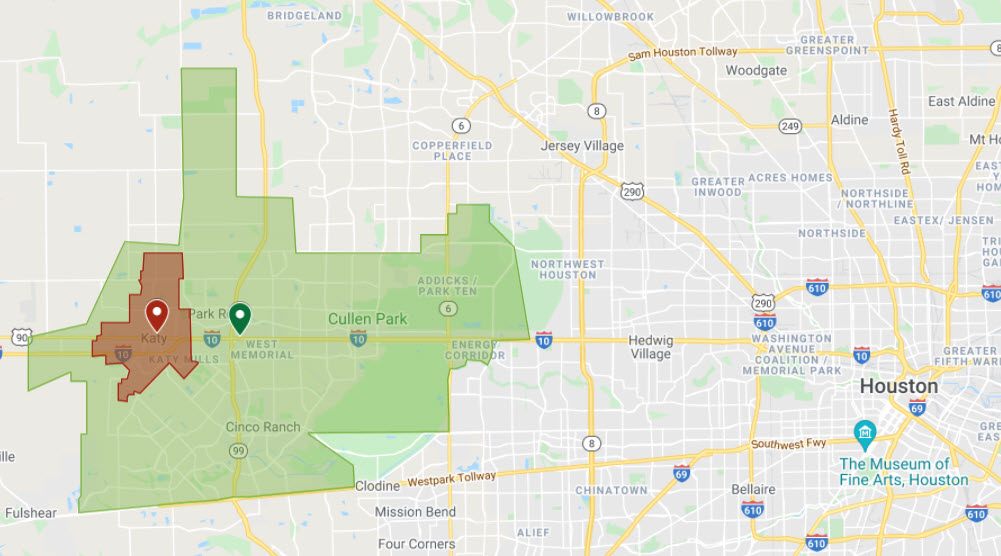
Note the green portion is what we refer to as “Katy TX” and is covered by Katy ISD and mostly has Katy addresses, but the red portion is what is “incorporated” as the City of Katy and we call “Old Katy.”
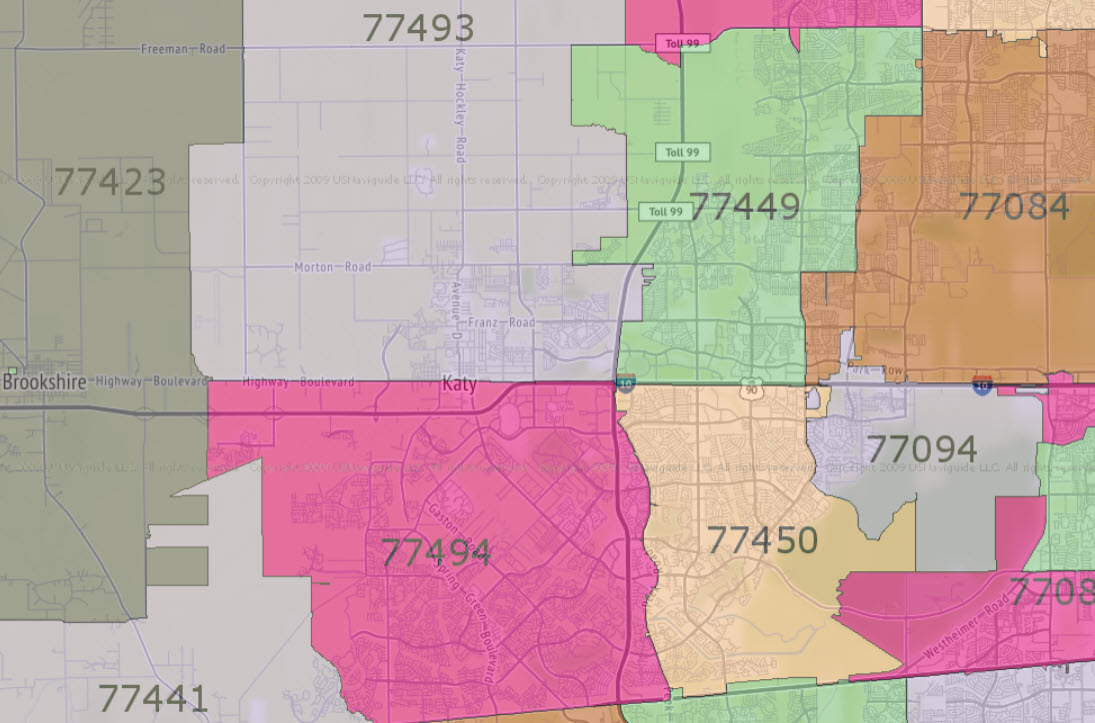
The area of Katy is so large that it crosses three counties (Harris, Fort Bend, Waller) and multiple ZIP Codes (see below).
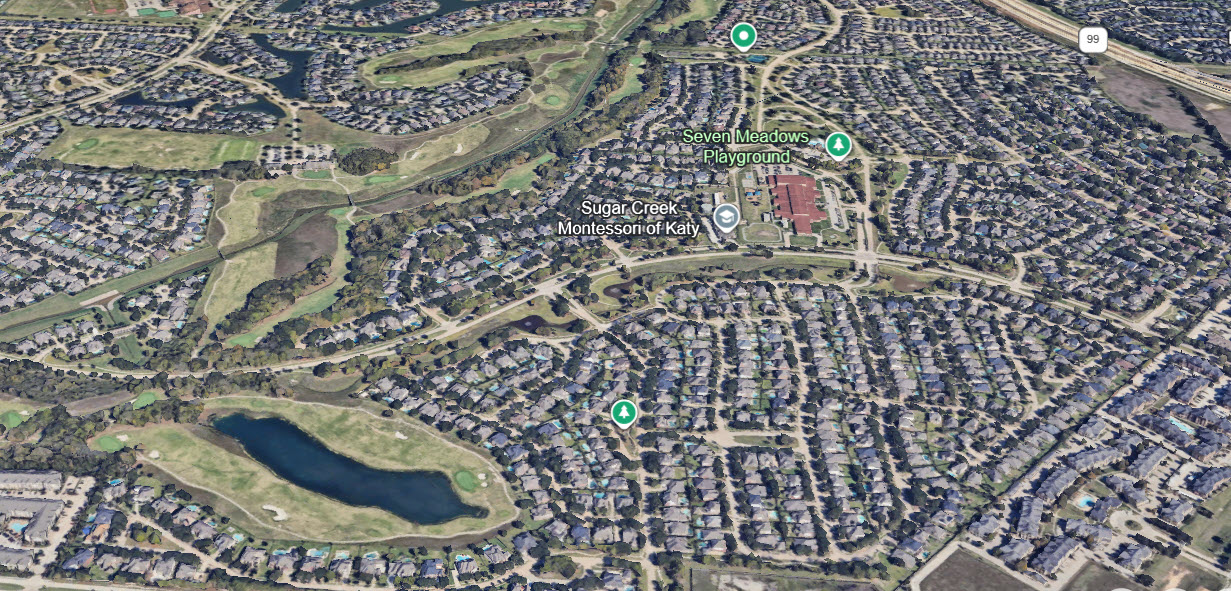
What started as a farming and rice-growing community now spans thousands of acres, home to both historic neighborhoods and brand-new developments with every amenity you can imagine. When you move to Katy, you’ll notice the balance: on one side, historic “Old Katy” with its quiet streets, heritage museums, and traditional charm; on the other, expansive communities like Cinco Ranch and Cross Creek Ranch that offer resort-style living with pools, walking trails, and golf courses.
New residents often describe Katy as having “the best of both worlds.” You’re close enough to Houston to take advantage of world-class dining, professional sports, museums, and an international airport, yet far enough away to enjoy quieter neighborhoods, excellent schools, and a real sense of community.
Understanding Katy Areas
Katy TX is very large, so to help you understand it better, I like to divide it into four different areas:
And don’t miss the up-and-coming area in Fulshear, TX!
See an overview of these areas below.
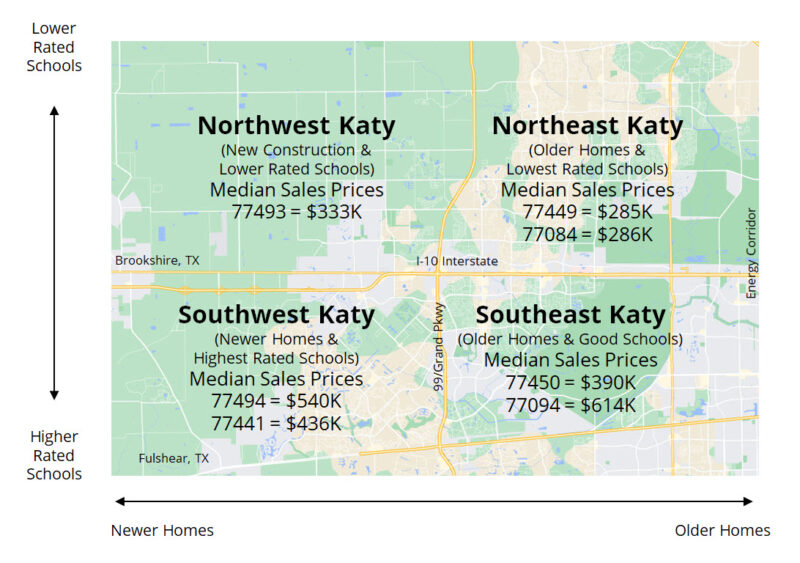
These areas are very different in regards to school ratings and the age and price of the homes. Generally speaking, the areas north of Interstate I-10 have lower-rated schools and, therefore, less expensive homes. The areas south of interstate I-10 have higher rated schools, but some parts still have better schools than other parts. The southeast side of Grand Parkway is older, and has more mature trees (therefore “prettier” than the newer, southwest side) but also has older homes that may need to be updated. These homes are closer to Houston and, therefore, have shorter commute times than the southwest side of Grand Parkway.
The area southwest of the I-10/Grand Parkway intersection is newer and so there are lots of newer, modern homes zoned to highly-rated schools. However, if you live in Southwest Katy you will have a longer commute than Southeast Katy (to downtown or Galleria).
You’ll need to learn about the individual Katy Neighborhoods in each of these areas…or at least the area that you want to move to. I cover the top 68 neighborhoods in my “All About Living in Katy TX” guide.
Why People Are Moving to Katy
Explosive Growth and Development
Katy’s growth has been nothing short of phenomenal. According to U.S. Census data, the population in the broader Katy area has doubled and, in some places, tripled in the last twenty years. Developers continue to invest heavily in master-planned communities, bringing in new retail centers, medical facilities, entertainment options, and corporate campuses.
This growth translates into opportunity. Families can find a wide variety of home prices and neighborhood styles, while businesses benefit from a growing customer base and workforce. Katy’s expansion isn’t random—it’s strategic, with careful planning around schools, parks, and infrastructure that make it a stable choice for long-term living.
Highly Ranked Schools
For families, Katy ISD is the single biggest draw. Katy Independent School District consistently ranks among the top school districts in Texas, earning awards for academic achievement, athletics, fine arts, and college readiness. Parents appreciate the district’s resources, highly involved parent-teacher organizations, and the fact that many schools in Katy function as the hub of their neighborhood communities.
Katy ISD is also massive—serving over 90,000 students across dozens of campuses—but despite its size, it maintains high ratings and strong teacher support. Families relocating from other parts of the country are often shocked by the level of extracurricular offerings, modern facilities, and advanced placement programs. For many, the chance to enroll their children in Katy ISD is reason enough to choose Katy over other Houston suburbs.
Proximity to Houston Job Centers
Location is another huge advantage. Katy sits at the western edge of Houston’s Energy Corridor, a hub for oil and gas companies as well as engineering, tech, and service firms. That means thousands of residents enjoy relatively short commutes compared to people who live in other parts of the metro area.
But Katy isn’t just a bedroom community. Many major employers are now located right in Katy—such as Memorial Hermann, Houston Methodist West, Amazon fulfillment centers, and major retail headquarters—so it’s increasingly possible to both live and work in Katy without commuting into Houston daily.
For professionals, being 30–40 minutes from Downtown Houston or the Galleria means you can still access the city’s corporate opportunities, while coming home to a quieter, more affordable suburb.
Lifestyle and Quality of Life
Lifestyle is where Katy really shines. Residents enjoy an abundance of amenities:
- Beautiful parks like Mary Jo Peckham Park with fishing lakes and walking trails.
- Community recreation centers with swimming pools and tennis courts.
- Vibrant retail centers like LaCenterra at Cinco Ranch, which combine shopping, dining, and entertainment in a walkable, outdoor setting.
- Family-friendly events like the Katy Rice Festival, Fourth of July fireworks, and local farmer’s markets.
Katy also offers diversity in lifestyle. Some families want the planned, amenity-rich neighborhoods where kids can bike to school and families can attend HOA movie nights at the pool. Others prefer the historic heart of Katy, with its larger lots, mature trees, and more rural feel. And there’s no shortage of luxury options either—high-end custom homes with golf course views and man-made lakes are readily available.
What unites people who move to Katy is the sense of belonging. Whether it’s cheering on at a local football team or participating in neighborhood gatherings, it’s easy to feel part of something larger here.
When you arrive in Katy, you’ll quickly see why it’s one of the fastest-growing areas in Texas. It offers a rare combination of strong schools, housing options for every lifestyle, a thriving economy, and easy access to Houston. But beyond the numbers and statistics, what really makes Katy special is the community spirit—you’ll find neighbors who look out for each other, schools that serve as neighborhood anchors, and a sense of belonging that turns a house into a home.
For families, professionals, and retirees alike, Katy represents not just a place to live, but a place to thrive.
The Vibe & Community Feel
Katy’s vibe is often described as “family-oriented with a modern suburban edge.” You’ll find neighborhoods where kids play in cul-de-sacs, parents walk dogs on trails, and people gather for backyard barbecues. At the same time, Katy has plenty of sophistication: upscale restaurants, boutiques, and quick access to Houston’s cultural offerings. One thing newcomers notice quickly is how friendly and welcoming people are. It’s common for new residents to be invited to neighborhood gatherings within weeks of moving in. Local social media groups and neighborhood apps also make it easy to connect and find resources.
When families consider moving to Katy, they’re often attracted first by the schools, neighborhoods, and proximity to Houston. But once they arrive, what really wins them over is the lifestyle. Katy offers a balance that many communities struggle to achieve: it’s both laid-back and full of things to do. Whether you want to spend the weekend shopping, exploring a park with the kids, cheering on a local soccer league, or attending a cultural festival, Katy has something for everyone.
Life here blends modern suburban conveniences—upscale shopping centers, nationally recognized restaurants, world-class fitness facilities—with the warmth of small-town traditions. It’s the kind of place where you can enjoy a family-friendly movie night on the lawn in Cinco Ranch one evening, then head to an international food festival the next. For newcomers, this mix of recreation and community makes settling into Katy feel like home almost immediately.
Population and Growth
The incorporated City of Katy itself has a population of about 25,000, but when people say “Katy,” they usually mean the much larger Katy ISD area that spreads across three counties.
It is extremely challenging to get accurate population statistics and demographics for the Katy Area…since it is not all incorporated. According to the Katy Area Economic Development Council’s Website (https://www.katyedc.org/quality-of-life/education):
Depending on how you measure it, the greater Katy area is home to 300,000 to 400,000 residents—and growing rapidly. This distinction matters because if you only look at city limits, you’ll miss the scale of the suburban boom.
Demographics
Katy growth means diversity. You’ll meet people from all over the United States who’ve relocated for work, as well as international families who are drawn by Katy’s schools and opportunities. The cultural mix has given rise to a wide variety of restaurants, community organizations, and events that make Katy feel both cosmopolitan and deeply Texan at the same time.
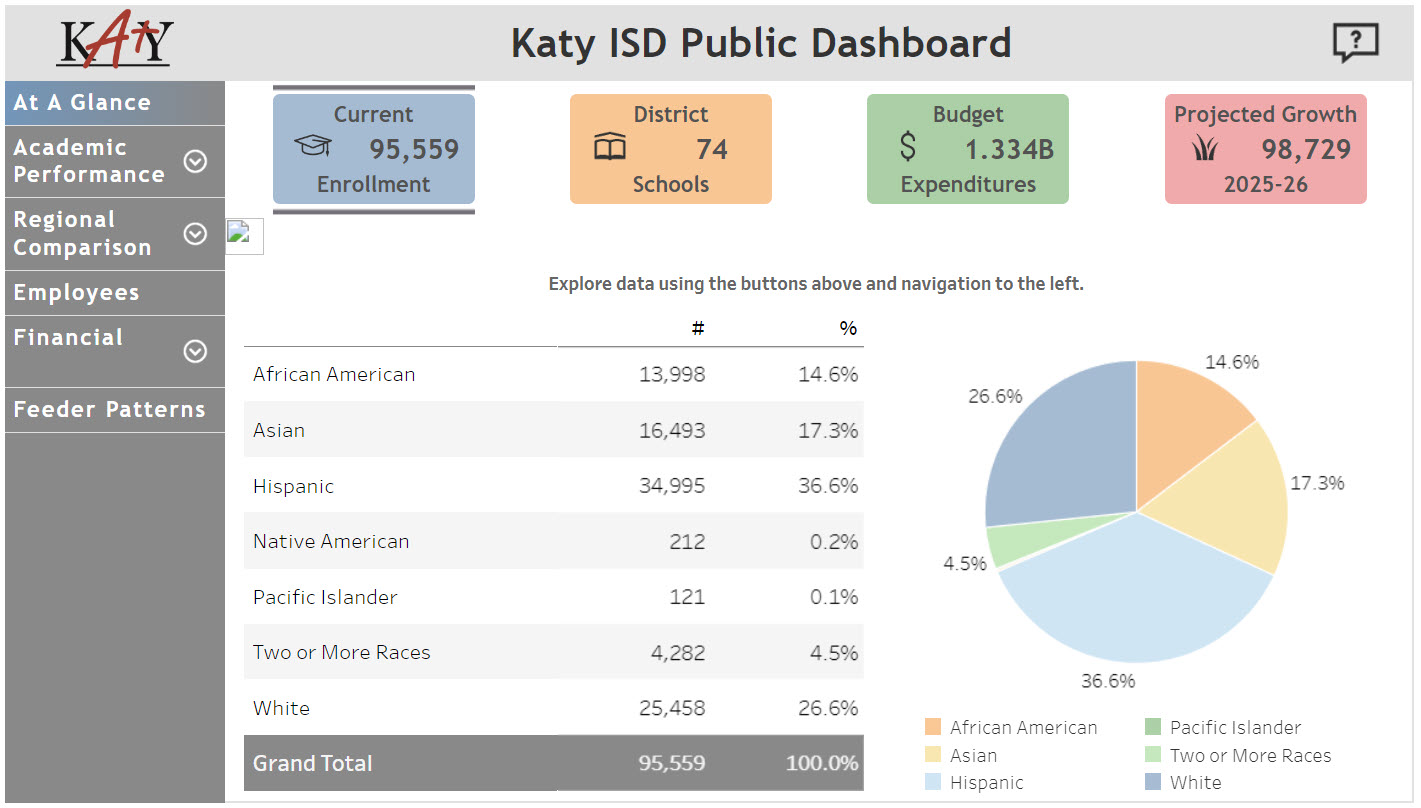
Source: https://publicbiapps.katyisd.org/PublicDashboard/PublicDashboard.aspx
The following shows the demographics by high school.
Seven Lakes High School (Southwest Katy)
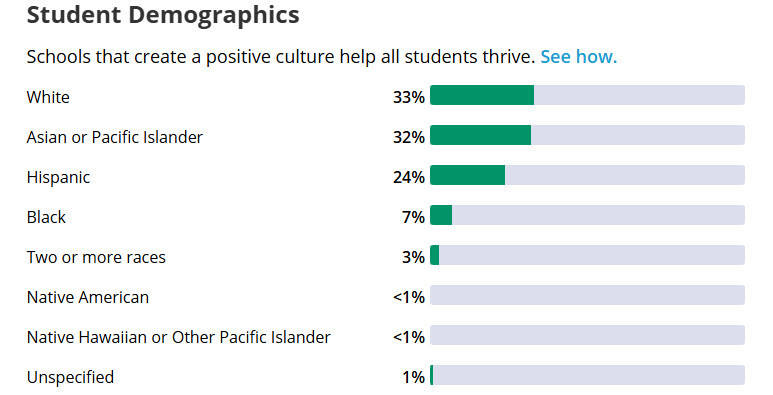
Tompkins High School (Southwest Katy)
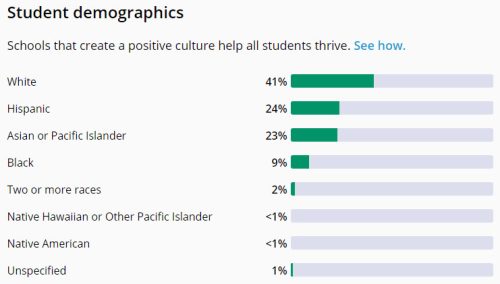
Jordon High School (Southwest Katy-Fulshear)
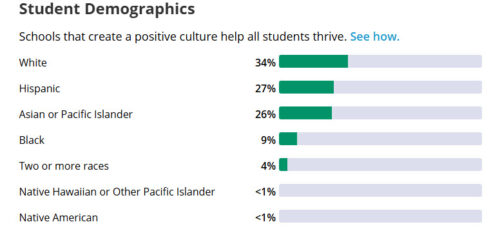
Fulshear High School (Southwest Katy – Fulshear)
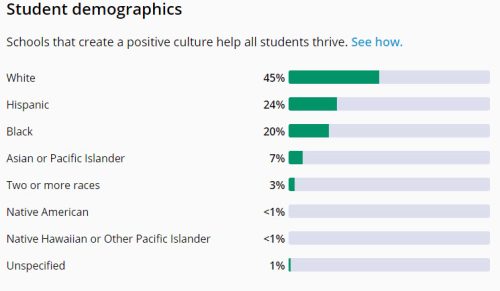
Cinco Ranch High School (Southeast & Southwest Katy)
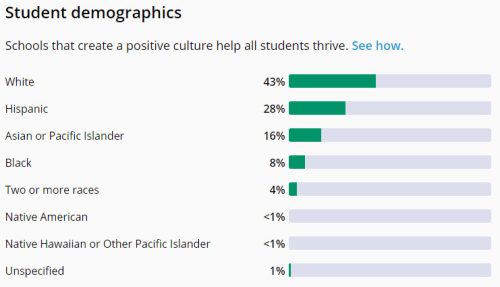
Taylor High School (Southeast Katy)
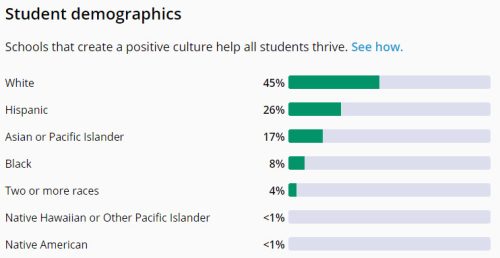
Katy High School (Northwest Katy)
Paetow High School (Northwest Katy)
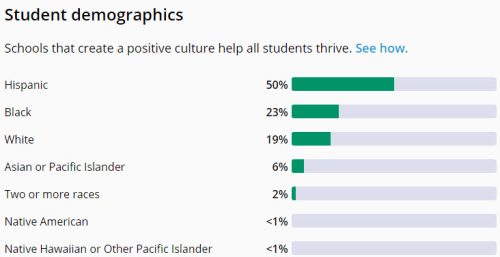
Mayde Creek High School (Northeast Katy)
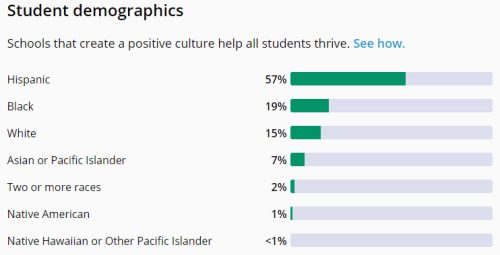
Morton Ranch High School (Northeast Katy)
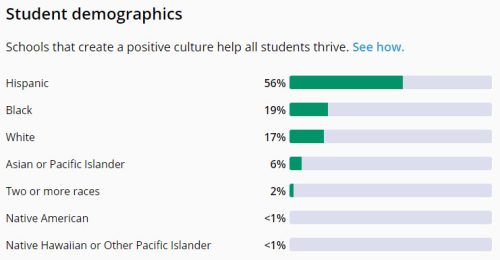
Katy TX Schools Overview
If you ask most families why they chose to move to Katy, you’ll hear the same answer over and over again: the schools. Education is the single biggest driver of growth in Katy, and the district’s reputation has put the city on the map as one of the top family-friendly suburbs in Texas.
For many years, Katy Independent School District (Katy ISD) has been recognized not only as one of the largest districts in the state, but also one of the most respected. Families relocate here from across the country—and sometimes from across the globe—because they know their children will have access to quality education, advanced programs, and extracurricular opportunities that rival private schools.
The above average schools (8-10) are mostly in Southeast and Southwest Katy. The schools in Northwest and Northeast Katy are mostly average (4-7) according to GreatSchools.org.
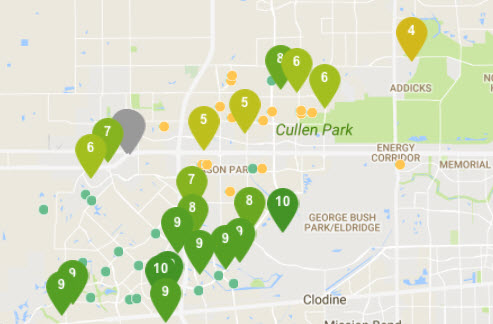
>> See Katy schools for detailed information.
Download the Katy Schools Report for current school ratings and multiple lists, sorted in different ways, to find the exact school you’re looking for.
Size and Scope
Katy ISD serves more than 95,000 students across nearly 80 campuses, making it one of the fastest-growing school districts in Texas. Its boundaries stretch across three counties—Harris, Fort Bend, and Waller—covering not only the City of Katy but also the sprawling suburban communities that surround it.
Despite its size, Katy ISD is known for maintaining a strong sense of community within each feeder pattern. Families often choose neighborhoods specifically based on which schools their children will attend.
Reputation and Rankings
Katy ISD consistently earns high marks from both state and national evaluations. The Texas Education Agency (TEA) regularly gives Katy ISD an “A” or “Exemplary” rating, citing strong academic performance, student progress, and college readiness.
Nationally, several Katy high schools have been ranked among the Best High Schools in America by U.S. News & World Report. The district is also known for powerhouse athletics programs, award-winning fine arts departments, and advanced academic tracks like International Baccalaureate (IB) and Advanced Placement (AP).
Why Parents Choose Katy ISD
- Academic Excellence: Test scores and college acceptance rates outpace state averages.
- Diversity of Programs: From STEM academies to fine arts, students have choices.
- Community Engagement: Parents are highly involved in PTAs, booster clubs, and volunteer opportunities.
- Strong Safety Reputation: Schools are modern, well-equipped, and prioritize student safety.
Katy ISD is often compared to an elite private school system—except it’s public and accessible to all residents of the district.
Specialized Academies and Programs
Katy ISD also offers specialized academies within certain high schools:
- Cinco Ranch High School: Engineering Academy
- Seven Lakes High School: Health Science Academy
- Morton Ranch High School: Fine Arts Academy
- Taylor High School: Business Academy
These academies provide focused coursework, hands-on learning, and industry partnerships that give students a head start in their chosen fields.
Good To KnowWhen you register for school you will need the following items: ♥ Proof of residence (sales contract, lease contract, utility bill) ♥ Official birth certificate or passport ♥ Proof of immunizations ♥ Report card or transcript from most recent school |
Katy Commute Times and Traffic
One of the reasons Katy has become such a desirable place to live is its prime location within the Houston metropolitan area. Situated about 30 miles west of Downtown Houston, Katy sits at the crossroads of major highways, job centers, and suburban growth corridors. The city itself straddles three counties—Harris, Fort Bend, and Waller—and occupies a unique position where urban convenience meets suburban breathing room.
If you’re relocating to Katy, one of the first lifestyle adjustments you’ll face is transportation. Katy offers a high quality of life, but like most Texas suburbs, it’s a car-centric community. Public transportation options are limited, and most errands, school drop-offs, and commutes will happen behind the wheel. Commute times are one of the biggest questions new residents have when considering a move to Katy. The truth is, commute times vary widely depending on where in Katy you live, what time you leave, and which job center you’re traveling to.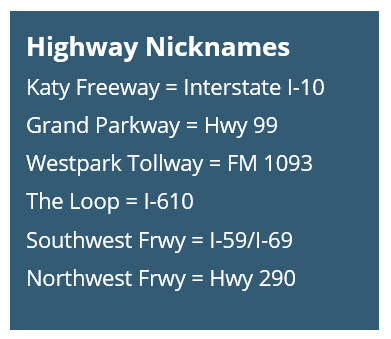
That said, Katy is well-positioned with direct access to Interstate 10 (I-10), the Grand Parkway (Highway 99), and the Westpark Tollway. These roads make it easy to reach Houston’s major job centers, shopping districts, and airports. The trade-off is dealing with traffic congestion, especially during rush hours.
When people look at a map of Greater Houston, Katy is easy to spot: it hugs Interstate 10, one of the region’s main east-west arteries, and it sits just beyond Houston’s Energy Corridor, a major hub of corporate offices. That proximity means you can enjoy suburban living without sacrificing access to Houston’s jobs, entertainment, and cultural attractions.
Katy is so large that commute times may vary drastically depending on where you live in Katy…and where you are commuting. You can use Google Maps to estimate drive times from various locations.
Read More Commuting Details in my Katy Living Guide
Cost of Living and Home Prices
Moving to Katy means more than just picking a house and a school—understanding the cost of living is essential. You want to know if your income will stretch, where you’ll spend the most, and how Katy stacks up against Houston or the U.S. norm.
In practice, many people find that your neighborhood/location is the primary variable: where in Katy you live (inside older neighborhoods, master-planned communities, or new developments) makes a big difference in your costs. But overall, Katy tends to be more affordable than many big coastal metro areas, but more expensive than more rural parts of Texas.
- According to Payscale, the cost of living in Katy, Texas is about 10% lower than the national average. That suggests that, on average, many expenses—housing, groceries, etc.—will cost somewhat less than they would in many parts of the U.S.
- Another source, BestPlaces, gives a different view: it estimates that a family in Katy needs about $6,960/month (or ~$83,520/year) to maintain a typical lifestyle, which they say is 28.9% more expensive than the national average. That large discrepancy likely arises from different assumptions about housing, family size, and amenities.
- Flyhomes puts Katy’s cost of living at 91.2 % of the national average, meaning it is somewhat cheaper overall.
Again, your cost of living in Katy will depend on the neighborhood/area where you live.
Housing Costs
Compared to many major U.S. cities, Katy offers excellent value. Housing is more affordable than in places like California, New York, or even Austin, though prices have risen steadily with demand.
Here’s a general snapshot:
- Median home price: around $350,000–$400,000 (with entry-level homes starting lower and luxury estates well over $1M).
- Rentals: single-family homes typically range from $1,800 to $3,000 per month, with apartments available for less.
- Utilities and taxes: Texas has no state income tax, which is a big advantage, but property taxes are higher than the national average. HOA fees also vary by neighborhood, especially in master-planned communities.
Overall, families moving from high-cost states often find Katy a financial relief, while those from smaller towns may feel the prices are higher than expected. Either way, the cost of living is generally considered a good trade-off for the schools, amenities, and quality of life.
Get Detailed Market Stats (per Neighborhood!) in my Katy Market Report
Katy Flood Zones
There is a lot of misinformation on the Internet and the news media got a lot of information about Hurricane Harvey wrong. If you are concerned about flooding in Katy TX, then please read my detailed article: Katy Flood Zones. It has information and maps to help you understand the facts. Or you can see the flood maps of various high-risk neighborhoods in my Katy Flood Report.
There’s a lot more to know about Katy! Get my guide (below) if you want to know even more.
|
Discover Katy and What It’s Really Like to Live in Katy TX |
FREE DOWNLOAD
Before You Move to Katy TX, Read This!
All About Living in Katy Texas is a practical, straight-from-a-local guide that walks you through what life in Katy is really like, from neighborhoods and schools to commuting, housing, and everyday lifestyle. It’s designed to help you feel confident and informed before you decide if Katy is the right place for you to call home.
In this guide I go over the top neighborhoods (60+) and provide detailed market data including Ten-Year Price Trend Charts, so you can see how well a neighborhood has maintained its value over time. In addition, there is an awesome New Resident Checklist: First 30 Days in Katy, TX, list of Important Katy Phone Numbers, and a list of important County Phone Numbers.
|
|
All About Living in Katy Texas
|
More Articles About Katy Texas
Best Katy TX Communities to Live In 2026
First-Time Home Buyer’s Guide – What Katy Buyers Need to Know
Guide to Home Maintenance
How to Survive Natural Disasters in Katy
Is Katy Texas a Good Place to Live?
Katy Commute Times and Traffic
Katy Crime
Katy Demographics
Katy Flood Zones – Where NOT to Buy in Katy TX
Katy Golf Courses & Country Clubs – Where the Fairways and Lifestyle Come Together

Katy Home Security
Katy Master Planned Communities
Katy Parks and Recreation

Katy Real Estate Market
Katy Shopping & Dining
Katy TX Property Taxes

Katy TX Things To Do – You’ll Never Be Bored!

Katy Utilities
Katy Videos
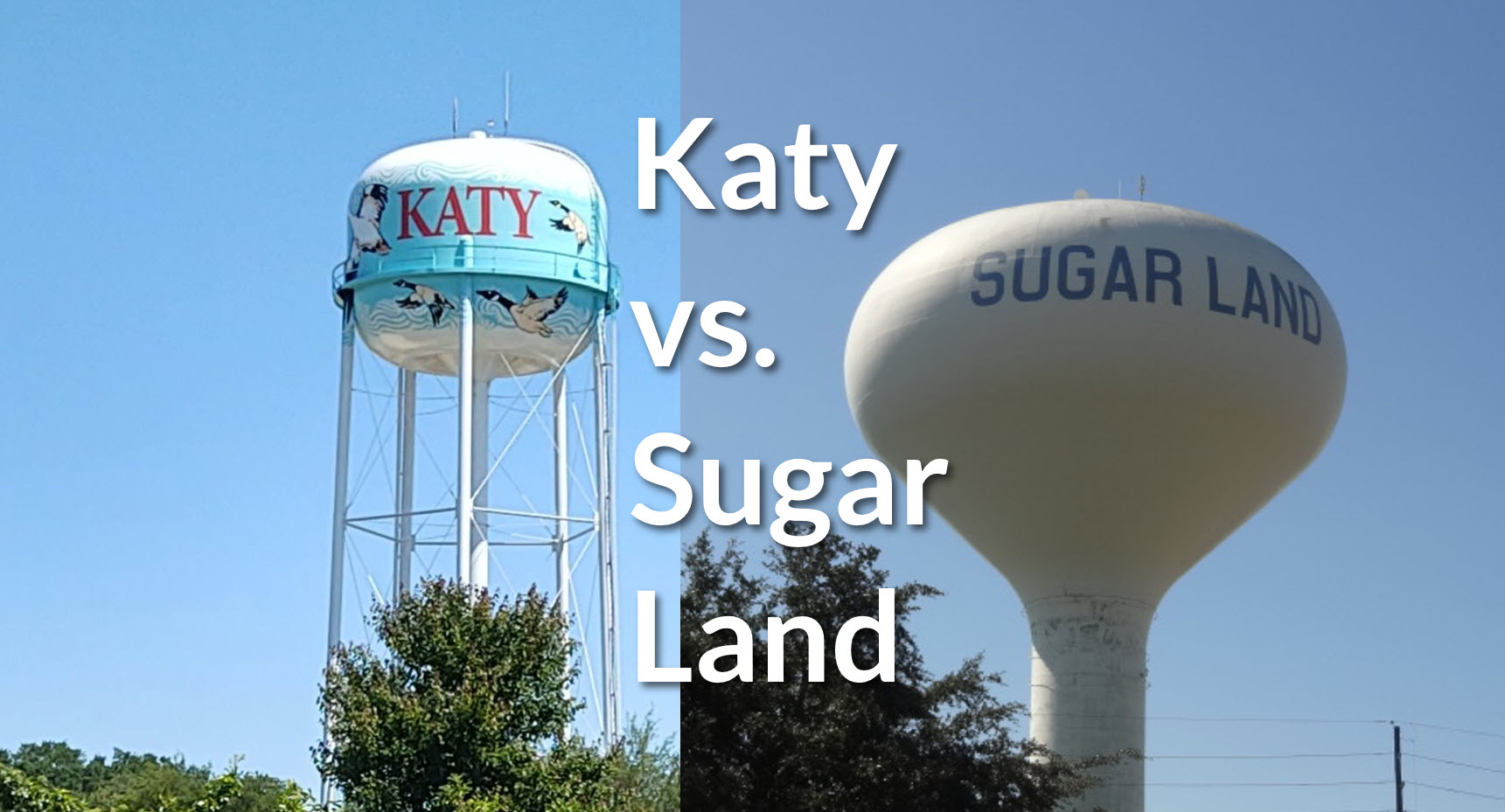
Katy vs Sugar Land – Which Is Better?
Need Help Buying or Selling a Home in Katy?
Buying or selling a home is a major financial decision. You deserve an experienced local Realtor who knows the Katy-area neighborhoods, schools, property taxes, flood risks, market conditions, and all the little details that can make a BIG difference in your decision.
I’ve been helping Katy-area home buyers and sellers since 2009, and I’ve been recognized as a Five Star Real Estate Agent every year since 2010. More importantly, I’ll give you my frank opinion, point out things you may not know to investigate, and look out for YOUR best interests throughout the entire transaction.

Sheila Cox, Five Star Real Estate Agent since 2010 and creator of this entire website (KatyHomesForSaleTX.com) so you have proof she’s a local expert. 🙂


Why Work With Sheila?I’m not going to sell you on a house or neighborhood just because it’s beautiful, popular, or new. My job is to help you make a smart real estate decision. That means looking beyond the listing photos and helping you evaluate things like school zoning, flood risk, property taxes, resale considerations, neighborhood differences, inspections, repairs, contract deadlines, and the dozens of other details that can affect your purchase or sale. Sometimes the most valuable thing I can tell you is, “I wouldn’t buy this house.” Please read the list of my value-added services for home buyers |
Free Guides & Reports – What to Know Before You Buy
Use my free guides and reports to learn more about Katy neighborhoods, schools, new construction, market conditions, home buying, and other things you should understand before making a move.

Client Reviews of Sheila
Want to know what it’s like to work with me? Here’s what my past clients have to say.
READ REVIEWS