Roots of Katy: From Railroad Stop to Booming Suburb
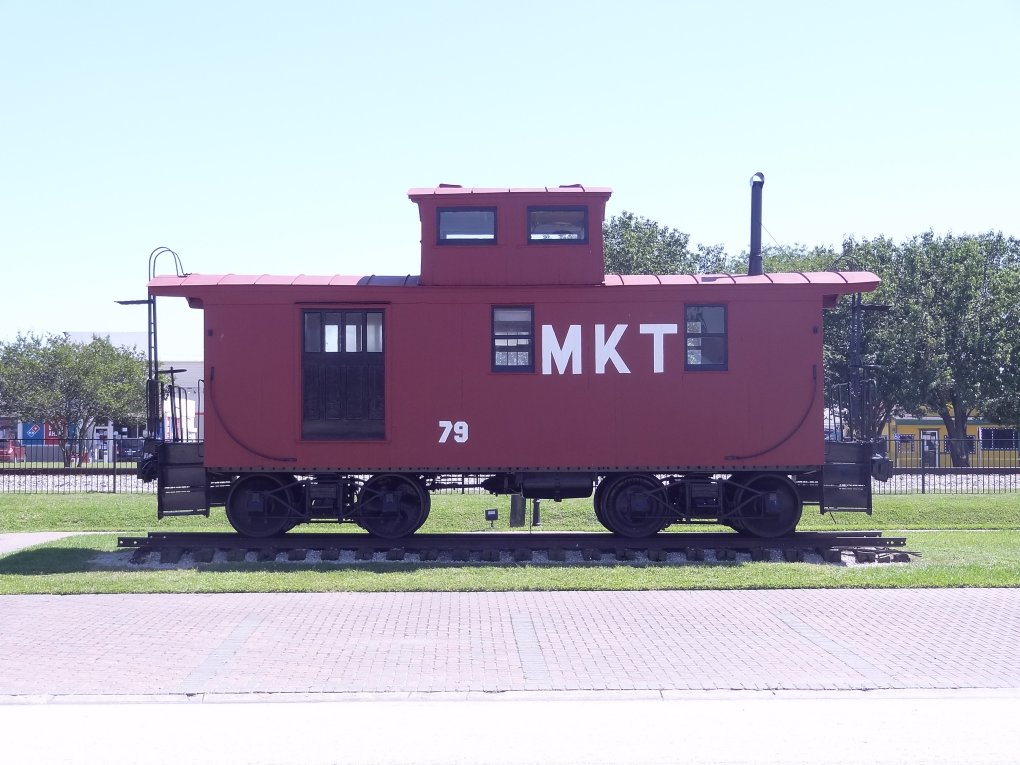
When you first arrive in Katy, it may be hard to imagine that this bustling, modern suburb was once little more than a sleepy prairie town. Katy’s history dates back to the late 1800s when settlers began moving into the fertile floodplain of the Buffalo Bayou. The land was ideal for farming, and rice quickly became the crop that would define the area. In fact, the city’s name is forever tied to its agricultural beginnings—the “Katy” name came from the Missouri-Kansas-Texas Railroad (nicknamed the K-T Railroad) that ran through the area in the 1890s.
Farmers depended on the railroad to transport rice and other crops to market, and a small town developed around the depot. By 1896, Katy had a post office, a handful of businesses, and a sense of permanence. The first rice mills arrived soon after, and Katy quickly earned its reputation as one of the rice capitals of the world. Even today, rice remains part of the city’s identity, celebrated each year in the Katy Rice Festival.
Over the decades, Katy grew slowly but steadily. The Great Galveston Hurricane of 1900 destroyed much of the town, but residents rebuilt, preserving their community spirit. By the mid-1900s, Katy had its own schools, churches, and local businesses, serving as a classic small Texas town with deep agricultural roots.
It wasn’t until the latter part of the 20th century that Katy began its transformation from a rural farming community into the thriving suburb you see today. The construction of Interstate 10 and later the Grand Parkway opened up Katy to commuters. As Houston expanded westward, developers recognized the potential of Katy’s wide-open land, excellent schools, and small-town charm. What followed was one of the most dramatic suburban growth stories in Texas.
The Heart of Old Katy
Historic Old Katy sits north of Interstate 10, encompassing the original town site and much of its early history. Walking through Old Katy feels very different from the larger, newer developments that surround it. Here you’ll find tree-lined streets, vintage homes on larger lots, and landmarks that remind you of the city’s heritage.
Old Katy has its own city government, police, and city services—separate from the unincorporated areas of “Greater Katy” that fall under Harris, Fort Bend, and Waller counties. This distinction matters: residents of Old Katy enjoy a true small-town atmosphere, complete with a historic city hall, a quaint library, and city-sponsored events.
The homes in Old Katy reflect its history. You’ll find charming bungalows built in the 1940s and 1950s, as well as renovated ranch-style homes and even new construction that blends in with the older character of the area. Unlike the strict HOA rules of some master-planned communities, Old Katy offers more freedom in home design and landscaping, which appeals to people who want a less regimented feel.
Life in Old Katy is slower paced. Neighbors know each other, kids still ride bikes down the street, and you’re more likely to see local mom-and-pop shops than large chain stores. Residents take pride in their heritage, and the Katy Heritage Museum and Train Depot stand as reminders of the town’s early days. Festivals like the Katy Rice Festival are centered here, drawing thousands each year for parades, food, and music.
The Rise of Master-Planned Communities
In contrast to Old Katy, the newer parts of Katy are defined by expansive, master-planned communities—self-contained neighborhoods with their own schools, shopping, parks, and recreation. Starting with Cinco Ranch in the 1990s, developers realized that families were willing to trade longer commutes for high-quality schools, safe neighborhoods, and abundant amenities.
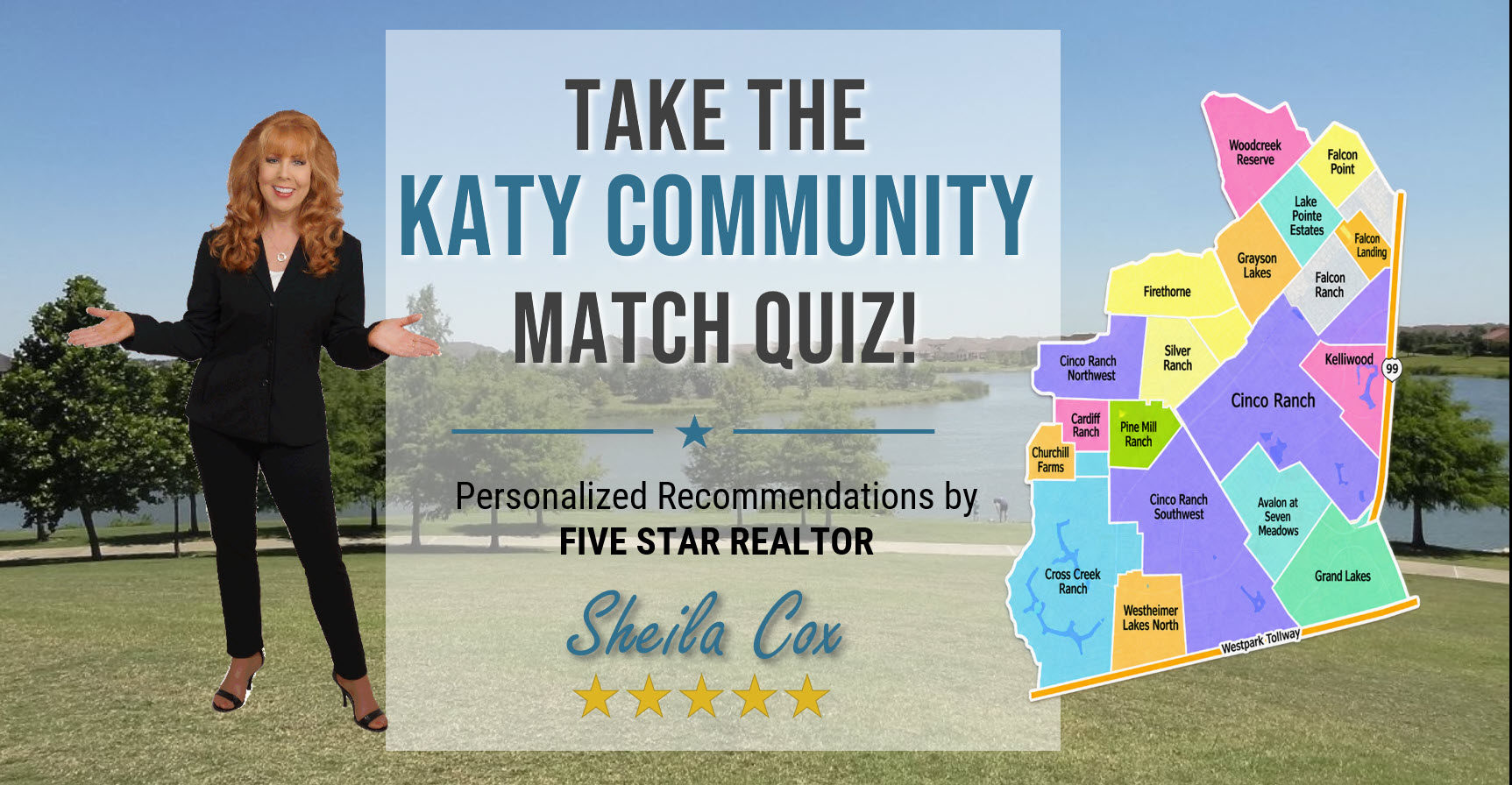
Cinco Ranch, one of the largest and most influential master-planned communities in Texas, set the tone. Covering thousands of acres, it offered everything from starter homes to luxury estates, along with golf courses, swimming pools, and retail centers. Families flocked to the area, and other communities soon followed—Cross Creek Ranch, Firethorne, Cane Island, Elyson, and many more.
These communities are designed for modern living. They often include resort-style pools, splash pads, fitness centers, walking trails, lakes, and organized community events. Many even have dedicated “lifestyle directors” who plan activities like movie nights, yoga in the park, and kids’ summer camps.
The appeal is clear: you can buy a home in Katy that fits your budget and lifestyle, whether you want a cozy townhome near shops or a sprawling five-bedroom home with a backyard big enough for a pool. HOAs keep neighborhoods well maintained, which helps preserve property values. While some people prefer the flexibility of Old Katy, others love the sense of order and convenience that master-planned living provides.
Blending Small-Town Charm with Suburban Convenience
What makes Katy unique is the way it blends these two worlds—the historic charm of Old Katy with the polished amenities of newer developments. On any given weekend, you might take the kids to the Katy Heritage Park to see restored historic homes, then head to LaCenterra at Cinco Ranch for upscale dining and shopping. You can live in a neighborhood where everyone knows your name, while still being 10 minutes away from big-box retailers, healthcare facilities, and entertainment.
This balance is part of Katy’s identity. Unlike some suburbs that feel purely residential, Katy has a personality rooted in history. At the same time, it’s undeniably modern, with some of the best master-planned communities in the nation. This duality is one of the main reasons people are so attracted to Katy—it offers options. You can choose the slower pace of Old Katy, the structure of a master-planned community, or something in between.
Community Spirit and Shared Values
Ask residents what they love about Katy, and most will mention the sense of community. Despite its rapid growth, Katy has managed to hold onto a feeling of togetherness. This comes from several factors:
- Schools as community anchors: Katy ISD schools are not just educational centers; they’re gathering places where families connect, and pride runs deep. Football games, band concerts, and parent-teacher events draw crowds and strengthen neighborhood bonds.
- Neighborhood traditions: Whether it’s an annual holiday lights contest, a spring block party, or a July 4th parade, Katy neighborhoods pride themselves on creating spaces where families can make memories.
- Volunteerism: Residents are heavily involved in local charities, youth sports leagues, and church groups. Organizations like Katy Christian Ministries provide food, housing assistance, and support for families in need, and local volunteers are always eager to step up.
The values here lean toward family, education, and community pride. People move to Katy not just for a house but for a lifestyle that prioritizes connection.
Festivals, Events, and Local Culture
One of the best ways to understand Katy’s culture is to experience its events and festivals.
The Katy Rice Festival
This is the crown jewel of Katy traditions. Every October, thousands gather in Historic Downtown Katy for live music, parades, carnival rides, and food booths. The event honors Katy’s roots as a rice farming town and brings together old and new residents alike. For many families, it’s an annual tradition that kicks off the fall season.
Katy Rodeo and Livestock Show
Held every February, this event showcases Katy’s agricultural heritage and Texas cowboy spirit. With livestock shows, rodeo events, and a parade, it’s a chance for residents to celebrate tradition and support local youth in agricultural programs.
Fourth of July Fireworks at Katy Mills
Katy hosts several Independence Day events, including spectacular fireworks displays that draw crowds from across the metro area. Families gather with blankets and lawn chairs to enjoy the celebration of America’s birthday.
Holiday Traditions
From Christmas tree lightings in LaCenterra to neighborhood light tours, Katy embraces the holiday season with warmth. Many neighborhoods go all-out with decorations, creating drive-through displays that attract visitors from nearby towns.
Farmers Markets and Local Gatherings
Katy also embraces the modern suburban trend of farmers markets, fitness events, and community fairs. The Katy Market Day, held monthly in Historic Downtown, features local vendors, food trucks, and entertainment. It’s a perfect example of how Katy blends small-town feel with modern community life.
Summary: Katy’s Community Identity
Katy’s history is never far from view, even as it grows into one of Houston’s most modern suburbs. Old Katy preserves the traditions of a farming and railroad town, while master-planned communities provide the conveniences and amenities of contemporary suburban life. Together, they create a city that feels both timeless and forward-looking.
For newcomers, this means you can find your own place in Katy’s story. You might move here for the schools or the job opportunities, but you’ll stay for the sense of belonging. Katy’s festivals, traditions, and everyday friendliness make it more than just a suburb—it’s a community where people put down roots, connect with their neighbors, and embrace a lifestyle that blends history with growth.
When you move to Katy, you’re not just choosing a house—you’re becoming part of a living, evolving story. That story includes the railroad workers who first laid tracks through the prairie, the farmers who turned rice fields into prosperity, and the families who now gather in master-planned communities and cheer on the Katy Tigers on Friday nights. It’s a history that shapes the present and promises a bright, community-driven future.
Need Help Buying or Selling a Home in Katy?
Buying or selling a home is a major financial decision. You deserve an experienced local Realtor who knows the Katy-area neighborhoods, schools, property taxes, flood risks, market conditions, and all the little details that can make a BIG difference in your decision.
I’ve been helping Katy-area home buyers and sellers since 2009, and I’ve been recognized as a Five Star Real Estate Agent every year since 2010. More importantly, I’ll give you my frank opinion, point out things you may not know to investigate, and look out for YOUR best interests throughout the entire transaction.

Sheila Cox, Five Star Real Estate Agent since 2010 and creator of this entire website (KatyHomesForSaleTX.com) so you have proof she’s a local expert. 🙂


Why Work With Sheila?I’m not going to sell you on a house or neighborhood just because it’s beautiful, popular, or new. My job is to help you make a smart real estate decision. That means looking beyond the listing photos and helping you evaluate things like school zoning, flood risk, property taxes, resale considerations, neighborhood differences, inspections, repairs, contract deadlines, and the dozens of other details that can affect your purchase or sale. Sometimes the most valuable thing I can tell you is, “I wouldn’t buy this house.” Please read the list of my value-added services for home buyers |
Free Guides & Reports – What to Know Before You Buy
Use my free guides and reports to learn more about Katy neighborhoods, schools, new construction, market conditions, home buying, and other things you should understand before making a move.
Client Reviews of Sheila
Want to know what it’s like to work with me? Here’s what my past clients have to say.
READ REVIEWS